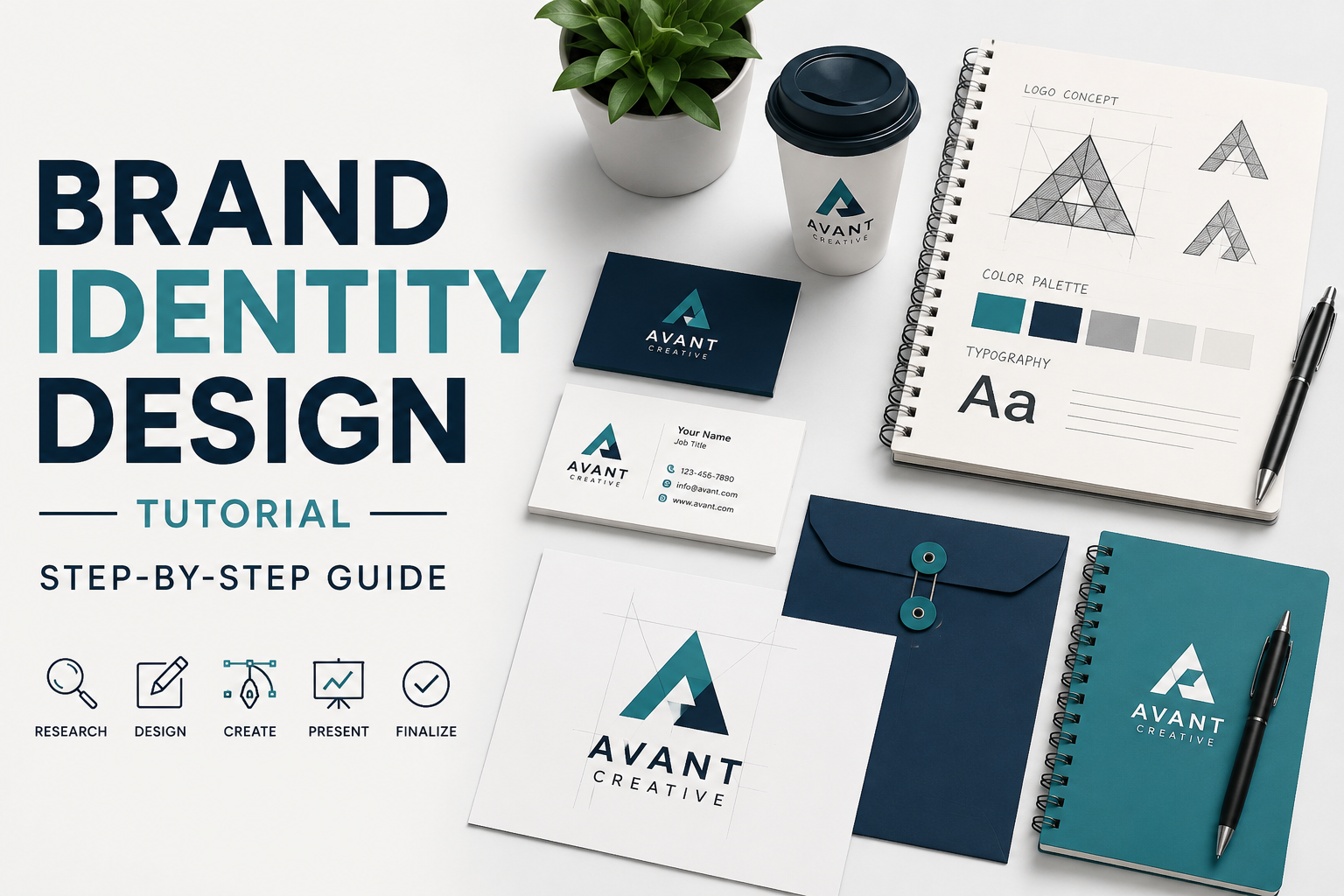
Brand Identity Design Tutorial: Step-by-Step Guide for Graph
Whether you’re creating a brand for a startup or refreshing an established identity, a clear, methodical approach saves time and produces stronger results. This tutorial walks through the most reliable steps to design a cohesive brand identity: research and strategy, logo development, color and typography choices, systemization, and guidelines.
Why a strong brand identity matters
A brand identity is more than a logo. It’s the visual language that communicates personality, values, and credibility. When executed well, identity systems increase recognition, build trust, and guide consistent application across touchpoints from web to packaging. Poorly thought-out identities confuse audiences and dilute messaging.
Step 1: Research and strategy
Define purpose and audience
Start with the fundamentals: what does the brand stand for, who is the target audience, and what problems does it solve? Conduct a stakeholder interview or a one-page brand brief to capture mission, tone, differentiators, and desired perception.
Competitive and visual audit
Analyze competitors and adjacent industries to find visual gaps and opportunities. Create a moodboard that collects logos, color trends, photography styles, and typographic treatments. This informs direction and prevents accidental similarity.
Step 2: Logo design
Concepting and thumbnailing
Begin with quick sketches and thumbnails—dozens rather than a few. Sketching by hand loosens thinking and helps generate distinct concepts that translate into better digital iterations.
Vector development
Move promising sketches into vector software. Keep marks clear and scalable. Test logos at different sizes and in single-color, reversed, and constrained contexts like favicons or social avatars.
Refine and test
Refinement should include spacing, stroke weights, and alignment. Print proofs and mockups on real materials to catch unintended issues that appear only in application.
Step 3: Color palettes and typography
Choosing a color system
Pick a primary color that carries the brand’s personality and supporting neutrals for flexibility. Create a hierarchy: primary, secondary, accent, and utility colors. Include CMYK, RGB, and HEX values for consistent reproduction.
Typography selection
Select a type family that complements the logo and tone. Choose primary type for headlines and secondary for body copy. Consider accessibility: contrast, readable sizes, and web-safe fallbacks. When licensing fonts, account for web and desktop use.
Step 4: Visual system and assets
A brand system ties logo, color, and type together into repeatable components. Create templates for business cards, social posts, email headers, and presentation slides. Define photography style, iconography, and patterns that extend the identity while remaining cohesive.
- Icons: simple, consistent stroke or filled style
- Patterns and textures: used sparingly to add depth
- Photography: mood, subject distance, color grading rules
Step 5: Build practical brand guidelines
Good guidelines are practical, not prescriptive. Include clear rules for logo usage, minimum sizes, clear space, color codes, type specs, and examples of correct and incorrect applications. Provide downloadable assets and source files for designers and vendors.
Tips, tools and common mistakes
Quick tips
- Start broad, narrow later—explore many directions before refining.
- Use grids and modular systems to keep layouts consistent.
- Document decisions to speed approvals and future updates.
Avoid these mistakes
- Relying on trends over timeless principles—trends date faster.
- Not testing at real sizes and across media.
- Overcomplicating the logo; complexity kills flexibility.
FAQ
How long does it take to create a brand identity?
Timeline varies. For small projects allow 2 to 4 weeks. For comprehensive systems with research and multiple iterations expect 6 to 12 weeks. Time depends on scope and stakeholder feedback cycles.
Should I use custom type or a system font?
Custom type boosts uniqueness but adds cost and license management. Many well-chosen system or web fonts provide excellent results with lower risk—choose based on budget and the need for distinctiveness.
How do I ensure brand consistency across vendors?
Provide a single source of truth: a concise brand guideline, asset repository, and template files. Offer clear examples and contact points for questions.
Conclusion
Designing a brand identity is a balance of strategic thinking and disciplined craft. Follow these steps—research, iterate on logos, lock in color and type, build a system, and document rules—to create identities that endure. Keep testing in real contexts and update the system as the brand grows. With a methodical approach you create work that’s not only beautiful, but useful and memorable.