On-Page SEO Checklist: 15 Steps to Boost Rankings Fast
On-Page SEO Checklist: Simple Steps That Drive Real Results
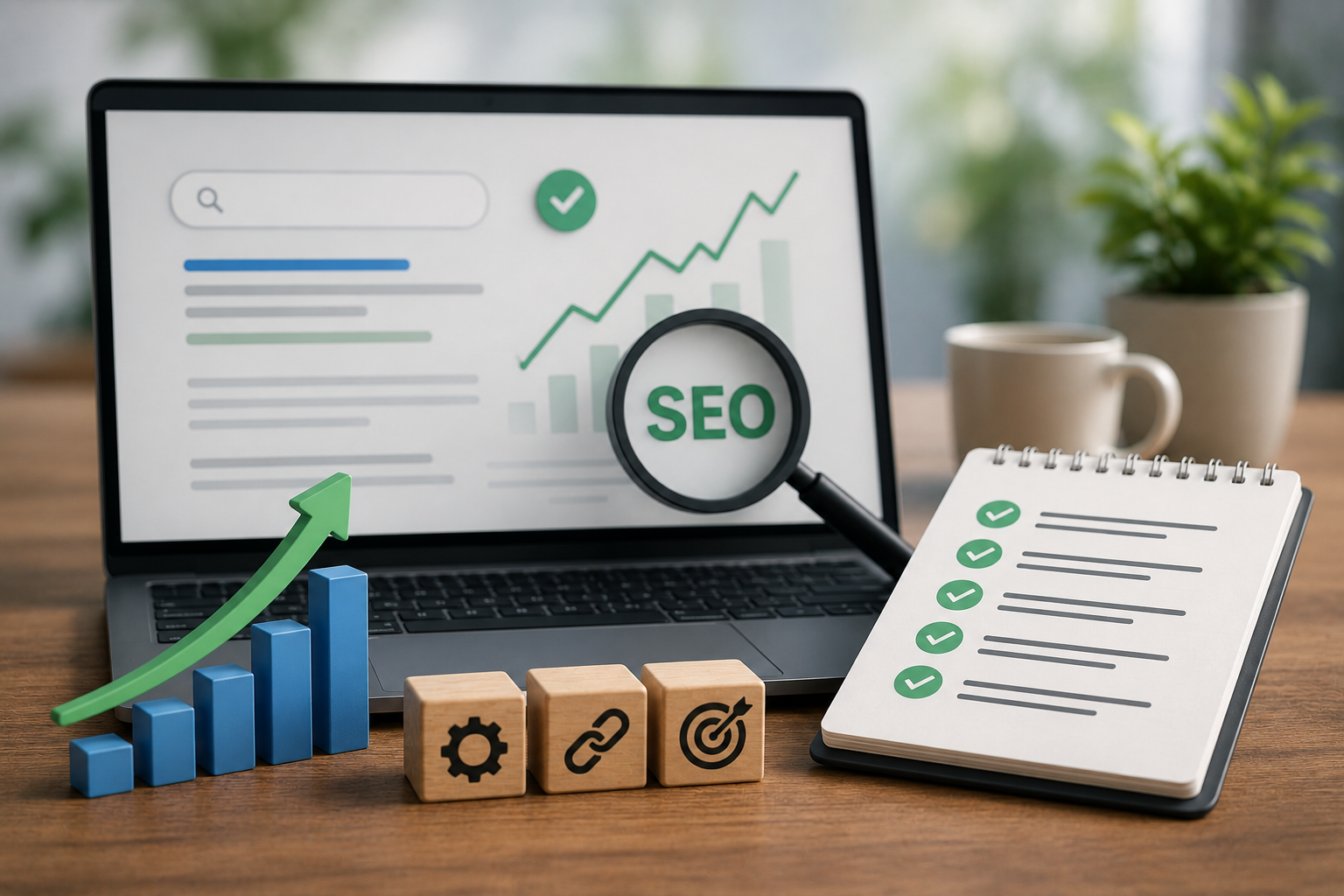
If you want more organic traffic without relying solely on backlinks, start with this On-Page SEO Checklist. These 15 evergreen steps focus on the elements you control on each page to improve rankings, click-through rate, and user experience. Use this guide as a practical reference for new pages and routine audits.
Why on-page SEO matters
On-page SEO determines how search engines understand your content and how users perceive it. Properly optimized pages convert better and are easier to index. Google emphasizes page quality and relevance in its documentation, so aligning your pages with best practices is essential. See official guidelines at https://developers.google.com/search for technical considerations and crawling guidance.
On-Page SEO Checklist
- 1. Target one primary keyword – Choose a single focus keyword for intent clarity and use it naturally in the title, first paragraph, and H2 headings where appropriate.
- 2. Craft an optimized title tag – Keep titles compelling and under 60 characters. Include the focus keyword near the front and avoid keyword stuffing.
- 3. Write persuasive meta descriptions – Use 140 to 155 characters to describe value and include the keyword to improve CTR in search results.
- 4. Use clear heading structure – Implement H1 for the page title and H2/H3 for subsections so both users and search engines can scan content quickly.
- 5. Optimize URL structure – Keep URLs short, descriptive, and include the focus keyword if it reads naturally.
- 6. Create high-quality, original content – Aim for depth and usefulness. Answer common questions and provide actionable takeaways. Long-form content often ranks better for competitive terms.
- 7. Use internal links – Link to related pages to distribute authority and keep users engaged. For example, link to your keyword research guide or site speed article.
- 8. Optimize images – Compress images, use descriptive file names, and add ALT text that includes the keyword when relevant to improve accessibility and image search potential.
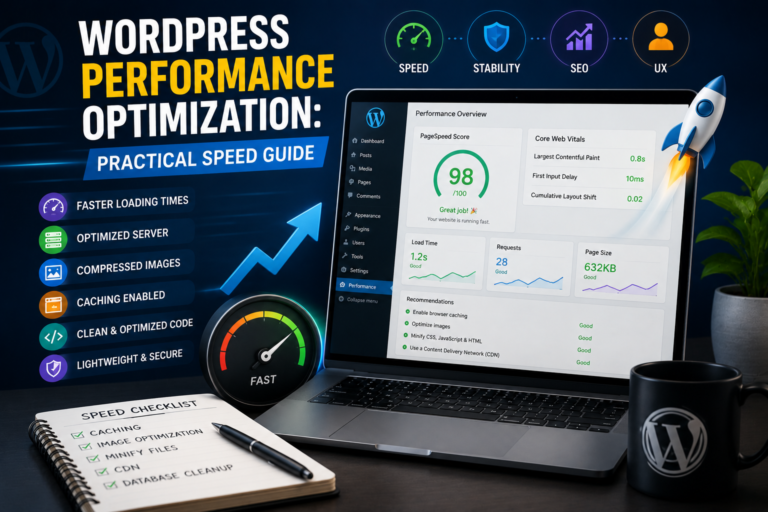
- 9. Improve page speed – Fast pages reduce bounce rate and boost rankings. Measure with tools like PageSpeed Insights and follow recommendations at https://developers.google.com/speed.
- 10. Ensure mobile friendliness – Adopt responsive design and test pages on multiple devices. Mobile-first indexing means mobile performance impacts rankings.
- 11. Add schema markup – Use structured data to help search engines present rich results like FAQs, breadcrumbs, and product details.
- 12. Optimize content for user intent – Match informational, transactional, or navigational intent. Content that satisfies intent performs better long term.
- 13. Improve readability – Use short paragraphs, lists, and clear subheadings. Readability keeps users on the page and reduces pogo-sticking.
- 14. Monitor and update content – Refresh pages with new data, links, or examples. Evergreen pages benefit from periodic updates to maintain rankings.
- 15. Track metrics and iterate – Use Google Search Console and analytics to monitor impressions, CTR, and rankings. Adjust titles, descriptions, and content based on performance data.
Technical on-page checks
Beyond content, technical factors affect indexability and performance. Verify canonical tags, fix broken links, ensure robots directives are correct, and implement HTTPS. Resources like Moz cover common technical issues and their impact on visibility at https://moz.com/learn/seo/what-is-seo.
Content and UX priorities
User experience is inseparable from on-page SEO. Fast load times, scannable text, clear CTAs, and relevant imagery improve engagement signals that search engines observe. Combine keyword-focused content with a genuinely useful page for best results.
FAQ
- How often should I use this On-Page SEO Checklist?
Use it for every new page and run through it quarterly for priority pages. Competitive topics may need more frequent updates.
- Will following this checklist guarantee top rankings?
No single checklist guarantees a top spot. On-page SEO improves relevance and usability, but rankings also depend on competition, backlinks, and domain authority.
- Which tool is best for checking on-page elements?
Google Search Console, PageSpeed Insights, and site crawlers like Screaming Frog are useful. For content insights, consider platforms like Moz and Ahrefs.
Conclusion
This On-Page SEO Checklist gives you a practical roadmap to optimize each page for search engines and users. Start by prioritizing items that directly affect visibility and experience: target keyword placement, title and meta optimization, speed, and mobile usability. Track performance and iterate regularly. For deeper learning, check our internal resources on keyword research and site speed, and consult official documentation at Google Search Central for technical guidance.