I’m Talking to My Computer and It’s Embarrassing
Voice typing has revolutionized the way we interact with our devices, offering remarkable voice dictation convenience. With just a few spoken words, you can create documents, send messages, and even navigate your computer. This technology is transforming productivity by allowing users to dictate their thoughts without the need for traditional typing. As voice recognition technology has improved, many have embraced voice typing as a valuable productivity tool. Whether you’re drafting an article or jotting down notes, voice dictation can simplify the process and enhance your workflow. It’s a game-changer for those who struggle with typing or wish to save time.
The Evolution of Voice Technology

The journey of voice technology began over a decade ago with the introduction of Google’s voice typing feature in the Gboard app for Android. This innovation marked a significant step forward in how we communicated with our devices. However, early versions struggled with accuracy, making it challenging for users to fully embrace the technology. It wasn’t until around 2026 that voice dictation truly began to shine, offering a level of precision that encouraged more people to switch from traditional typing.
Today, various applications, like Wispr Flow and Willow Voice, have emerged, enhancing the voice dictation experience. These tools leverage advanced AI-assisted writing capabilities, enabling users to interact with their computers more naturally. They can dictate text with impressive accuracy, even if English isn’t their first language. The evolution of voice technology reflects a broader trend in the tech industry, emphasizing the importance of making computing more intuitive and accessible. Companies like OpenAI have recognized the potential of voice interaction, with leaders like Sam Altman noting that voice will become a cornerstone of future human-computer interactions.
As we move forward, the potential for voice typing expands. It allows users to multitask efficiently, turning thoughts into text with minimal effort. This evolution not only enhances productivity but also promotes a more conversational approach to technology. While there are still challenges and limitations, the trajectory suggests that voice technology will continue to grow, becoming an integral part of our daily computer interactions.
Personal Experience with Voice Dictation
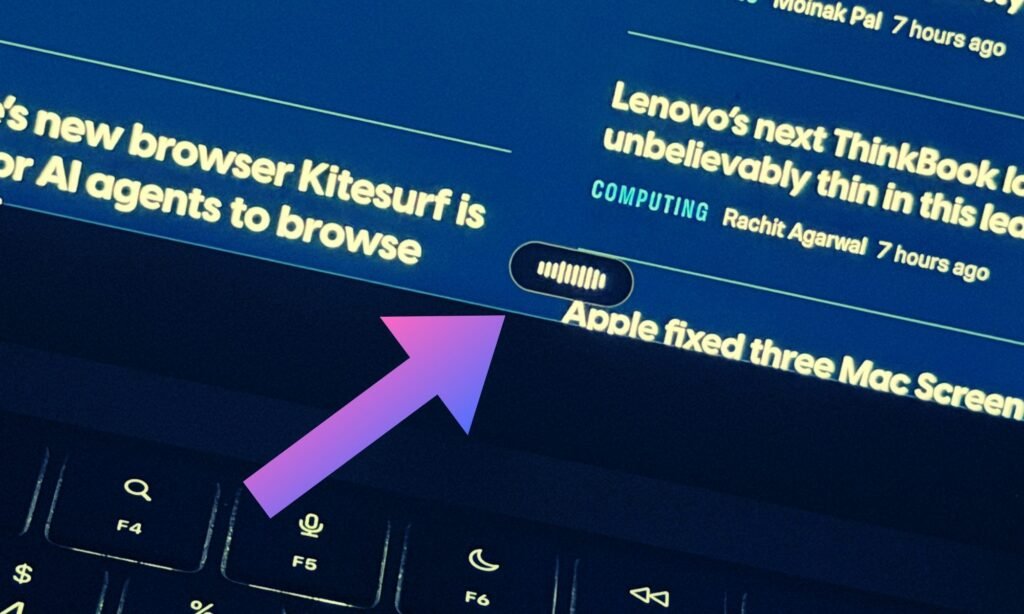
My personal experience with voice dictation began when I decided to give Wispr Flow a try. I was pleasantly surprised by its accuracy. As someone whose first language isn’t English and who lacks a distinct accent, I found it remarkable that the software could understand me so well. Dictating this article was a breeze, with only a couple of minor edits needed for punctuation and coherence. I spent just 2% of my time on the keyboard for those adjustments. Speaks volumes about the convenience of voice dictation.
Running a newsroom, speed is crucial for success. My early days in journalism taught me that “speed is of the essence.” Using Wispr Flow, I can now draft articles and breaking news stories quickly. For example, I recently wrote a 500-word piece in under six minutes. This level of efficiency is astonishing, especially considering my non-native English background. The tool has genuinely transformed my workflow, allowing me to focus on content creation rather than typing.
However, this newfound convenience has brought about a dilemma. While I relish the speed and ease of voice typing, I can’t ignore the laziness it has instilled in me. Every time I need to return to the keyboard for tasks that voice dictation can’t handle, I feel a sense of struggle. I even experimented with different types of keyboards to reignite my love for typing, but I realized it wasn’t the keyboards’ fault. I had become addicted to narrating my work.
This addiction raises questions about the future of computing. Are we moving toward a world where voice interaction becomes the norm? Many in Silicon Valley think so. The term “voice-pilled” has emerged to describe those who have fully embraced this shift. Personally, I find myself among the converts, eagerly participating in this new way of engaging with technology.
The Convenience vs. Laziness Dilemma
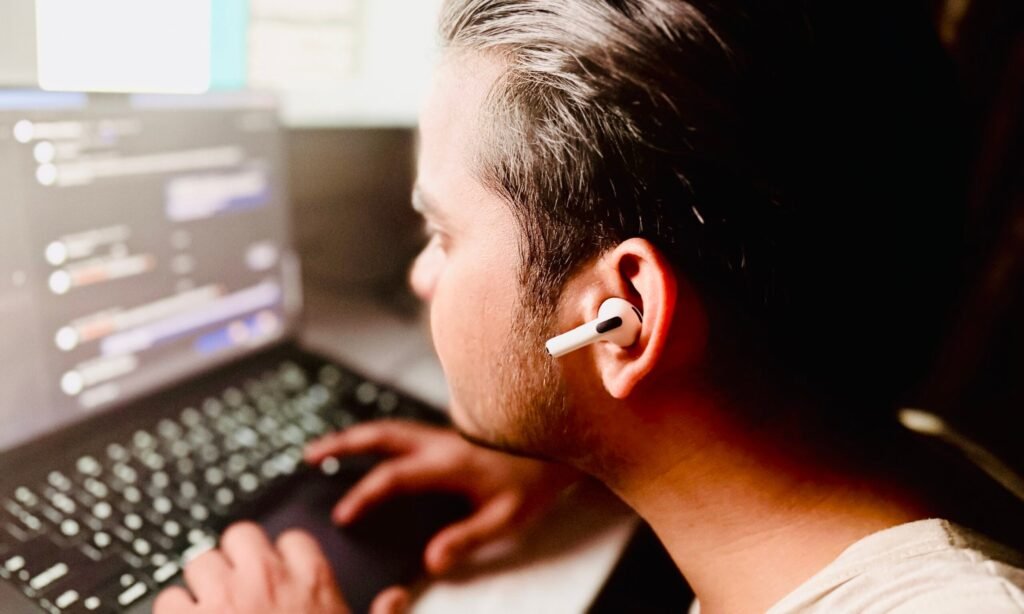
The convenience of voice dictation is undeniable, but it brings with it a certain level of laziness. Each time I need to use my keyboard for tasks that voice typing can’t accomplish, I feel a reluctance to do so. I’ve even tried switching keyboards, hoping for a renewed excitement about typing. Yet, the allure of speaking my thoughts directly into my computer has made traditional typing feel tedious.
This shift has implications for how we approach work and productivity. As voice typing becomes more prevalent, we may find ourselves relying too heavily on it. While it can enhance efficiency, it also leads to a dependency that could diminish our typing skills over time. As I navigate this new landscape, I wonder if there is a balance to be struck between the convenience of voice dictation and the necessity of traditional typing.
Moreover, using voice dictation in public spaces can feel awkward. Whether in a co-working space or a café, speaking to my computer often draws attention. The rise of wireless earbuds has made this scenario somewhat more acceptable, allowing people to converse without holding a phone to their ear. However, talking to a computer feels different. It lacks the emotional context of human interaction, leaving me self-conscious about my vocalized thoughts.
Despite these concerns, the benefits of voice dictation are hard to ignore. It allows me to work faster and more creatively. Yet, I still grapple with the discomfort of using it in public. The question remains: will society become more accepting of this trend? For now, I find myself using voice dictation in the comfort of my home, where I can enjoy the convenience without the social anxiety.
Social Implications of Talking to Computers
As voice dictation becomes more common, it raises interesting social implications. The convenience of voice dictation allows us to interact effortlessly with our devices, but it also invites scrutiny. When you speak to your computer in public, you may attract curious glances. In a café or co-working space, the act of vocalizing commands can feel out of place. While wireless earbuds make it easier to communicate without appearing awkward, conversing with a computer still feels different. Unlike human dialogue, which is filled with emotions and social cues, talking to a device lacks warmth and may come across as strange.
This discomfort can lead to self-consciousness. You might worry about what others think as you narrate your thoughts. For instance, if you’re discussing technical details about AI or recent tech updates, you might fear that bystanders view you as eccentric. These concerns highlight a broader question: Will society grow more accepting of this shift towards vocal interactions? As voice technology becomes ubiquitous, the novelty may wear off, and we might find ourselves more comfortable using it in public.
Yet, despite these social hurdles, the benefits are undeniable. Voice dictation enhances productivity, enabling faster work and greater creativity. You can compose emails, articles, or even brainstorm ideas without being tethered to a keyboard. However, the necessity to return to traditional typing for certain tasks can feel jarring. This juxtaposition of convenience and discomfort presents an interesting challenge as we navigate this evolving landscape of human-computer interaction.
Future of Voice Interaction in Computing
The future of voice interaction in computing looks promising, especially as advancements in AI continue to enhance the accuracy and usability of voice dictation tools. Industry leaders recognize the potential of voice as a primary mode of communication with our devices. For example, Sam Altman, CEO of OpenAI, has stated that we have yet to develop a truly effective voice product. However, he believes that when we do, many people will embrace voice interaction wholeheartedly.
As we move forward, we can expect voice dictation to become more refined. Imagine a world where you can simply speak your thoughts, and your computer seamlessly understands and executes your commands. This shift could transform not just individual productivity but also the way we interact in collaborative environments. Teams might use voice interaction to streamline workflows, fostering creativity while minimizing distractions.
Additionally, the rise of AI-assisted writing tools is already changing the landscape. Tools like Wispr Flow and Willow Voice are paving the way for a more intuitive and responsive computing experience. These applications provide a bridge between traditional typing and voice dictation, allowing you to complete tasks more efficiently.
However, the road ahead will require us to redefine our social norms. As more people adopt voice dictation, the stigma associated with speaking to machines may diminish. Ultimately, embracing voice interaction could lead to a more fluid and natural way of engaging with technology, making it an integral part of our daily lives.
As we stand on the cusp of this voice revolution, it’s essential to recognize both the convenience it offers and the social dynamics it challenges. Adopting voice dictation can enhance productivity, but we must also navigate the awkwardness it can create in public spaces. The future holds immense potential for voice interaction, and as society adapts, we may find ourselves more comfortable in conversations with our computers.