RTX 50 GPU Price Increase Hits Gamers Hard: Asus and Gigabyte Make PC Builds Even More Expensive
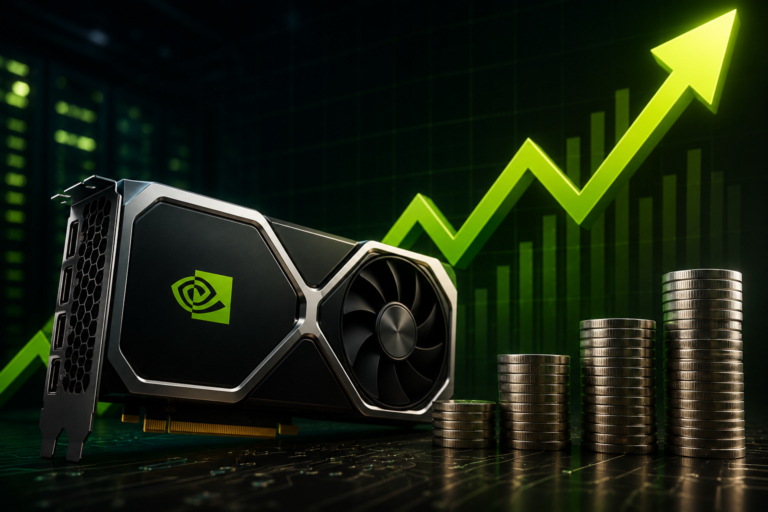
The RTX 50 GPU price increase has become another major disappointment for PC gamers and hardware enthusiasts. Just when many buyers hoped graphics card prices would become more affordable, Asus and Gigabyte announced higher prices across several Nvidia GeForce RTX 50 series and AMD Radeon RX 9000 graphics cards. The decision affects premium models as well as entry-level options, making it harder for gamers to build or upgrade their systems.
For many PC builders, this latest increase feels like another obstacle in an already expensive market. Rising hardware costs continue to push dream gaming setups further out of reach.

Asus and Gigabyte Increase GPU Prices
Both Asus and Gigabyte have revised prices for their latest graphics card lineup. The changes cover flagship models, mid-range GPUs, and even budget-friendly cards. Buyers who planned to purchase a new GPU now face noticeably higher costs than they expected only weeks ago.
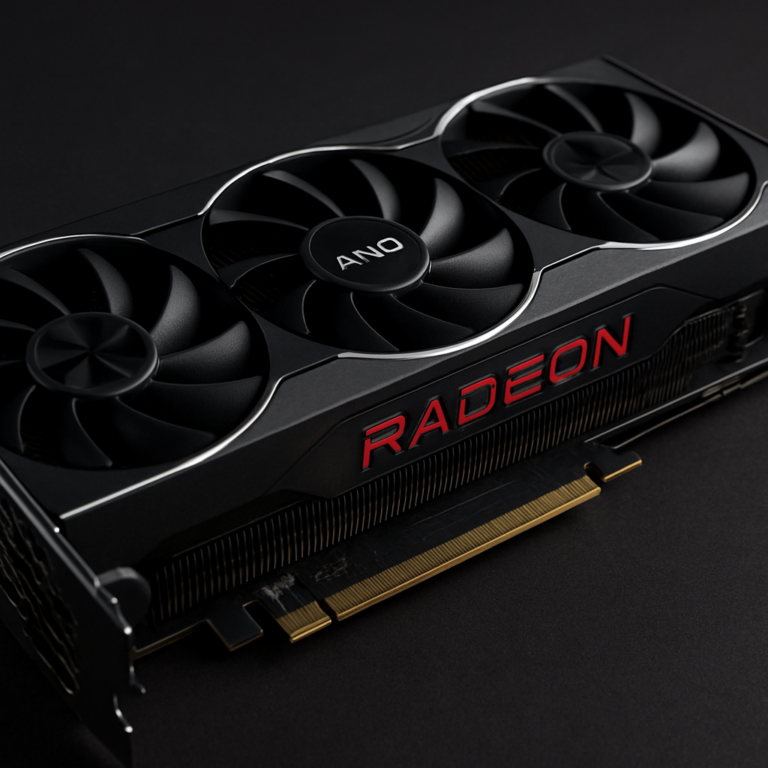
The latest pricing adjustments extend beyond Nvidia’s newest RTX 50 series. Older GeForce RTX 3050 and RTX 3060 models have also received price increases. At the same time, several AMD Radeon RX 9000 graphics cards now carry higher price tags.
This broad pricing strategy suggests that manufacturers expect demand to remain strong despite rising costs. Unfortunately, consumers will likely pay the difference.
Even Budget Gamers Feel the Impact
Many gamers assumed entry-level graphics cards would remain affordable. However, recent price changes prove otherwise.
Lower-priced GPUs have also become more expensive, reducing the value they once offered. This creates a difficult situation for students, casual gamers, and first-time PC builders who often depend on affordable hardware.
Building a gaming PC already requires a significant investment. Between processors, memory, storage, motherboards, and power supplies, every additional price increase makes the total budget much harder to manage.
As a result, many buyers may decide to delay their upgrades or continue using older graphics cards until prices stabilize.
RTX 5090 Pricing Sparks Frustration
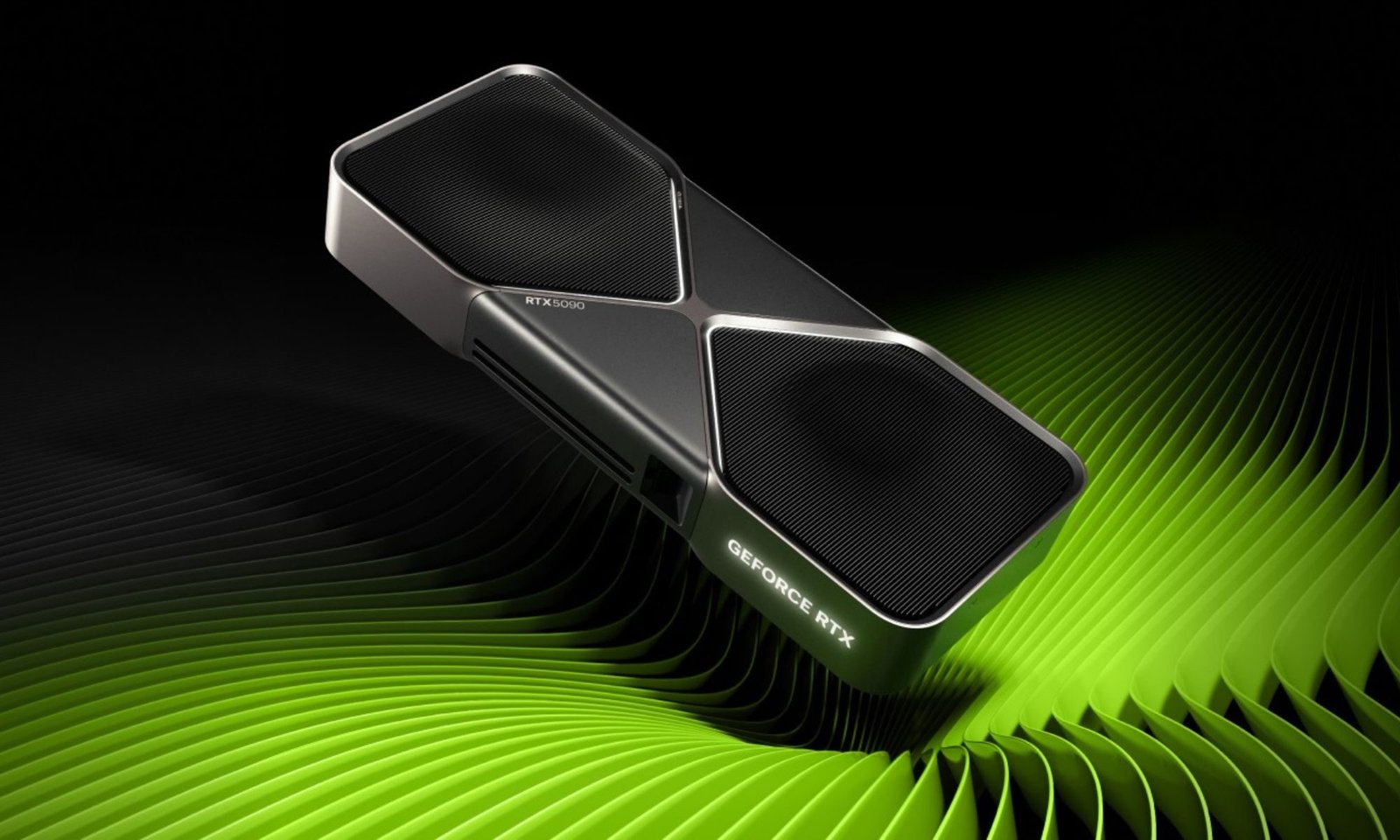
One of the biggest stories surrounding the RTX 50 GPU price increase involves Asus’ premium RTX 5090 graphics card.
A customer recently reported that an existing order for an Asus ROG Astral RTX 5090 was canceled because the manufacturer could no longer supply the card at its original price. Shortly afterward, the same model appeared with a substantially higher price tag.
The incident quickly spread through online communities and gaming forums. Many users expressed frustration, arguing that pre-orders should remain protected once customers complete their purchases.
Although this situation may not affect every buyer, it highlights the uncertainty surrounding today’s GPU market.
Why Are GPU Prices Rising?
Several factors continue to influence graphics card pricing.
Manufacturing costs remain higher than they were a few years ago. Supply chain challenges, component prices, and global economic conditions all contribute to increased production expenses.
In addition, premium graphics cards now include larger cooling systems, more advanced circuit boards, and faster memory. These improvements increase manufacturing costs before products even reach retailers.
Strong demand also plays a major role. Enthusiast gamers, AI developers, and professional content creators all compete for the same high-performance hardware. As demand remains high, manufacturers have little incentive to lower prices.
Should You Buy Now or Wait?
Many gamers now face a difficult decision. Buying immediately means paying today’s higher prices. Waiting could save money if prices eventually decline, but there is no guarantee that will happen soon.
If your current graphics card still delivers acceptable gaming performance, waiting may be the smarter option. Future market competition, seasonal promotions, or increased supply could improve pricing.
However, users with aging hardware or professionals who rely on GPU performance may not have the luxury of delaying their purchase. For them, the productivity gains may outweigh the higher upfront cost.
Ultimately, the right decision depends on your budget, gaming needs, and upgrade timeline.
What This Means for PC Gamers
The RTX 50 GPU price increase reflects a larger trend in the graphics card market. Premium GPUs continue to move further away from their original launch prices, while even mainstream models become less affordable.
For gamers, this means planning hardware purchases more carefully than ever before. Comparing prices, watching for sales, and choosing the right performance tier can help stretch a limited budget.
Although new graphics cards continue to deliver impressive performance improvements, affordability has become one of the biggest challenges facing the PC gaming community.
Asus and Gigabyte’s latest price increases remind buyers that the GPU market remains unpredictable. Until supply improves or competition drives prices lower, gamers should expect premium graphics cards to remain expensive. If you’re planning your next PC build, keeping a close eye on pricing trends may help you make the best buying decision.