Meta’s Smart Glasses Spark Privacy Concerns in Pubs and Restaurants
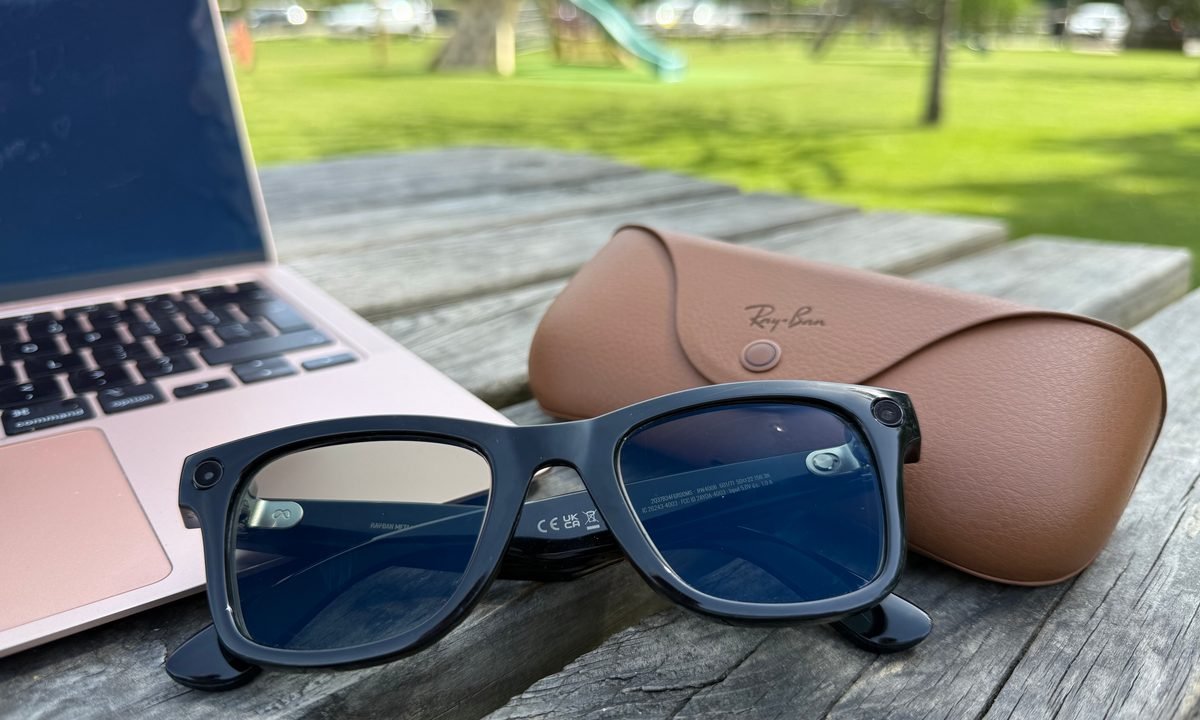
Meta’s smart glasses have quickly become one of the most talked-about wearable devices in recent years. The stylish Meta Ray-Ban glasses combine fashion with advanced technology, allowing users to take photos, record videos, and interact with AI hands-free. However, as adoption grows, Meta smart glasses privacy concerns continue to attract attention. Restaurants, pubs, theatres, and other public venues are now introducing rules to protect customers and staff from unwanted recording.

Why Meta Smart Glasses Raise Privacy Concerns
The biggest issue surrounding Meta’s smart glasses is their ability to record photos and videos discreetly. Unlike smartphones, smart glasses allow users to capture content without holding a visible camera. As a result, many people worry they could be recorded without their knowledge or consent.
Although Meta added a blinking LED light to show when the camera is active, critics argue that many people fail to notice the indicator. Others question whether it provides enough reassurance in busy public spaces.
These concerns have prompted businesses to rethink their policies. Many venue owners now believe they must protect both customers and employees from hidden recording.
Restaurants and Pubs Introduce New Restrictions
Several well-known venues across the UK have already responded to growing privacy concerns.
London restaurateur Jeremy King has publicly stated that guests should not wear recording devices inside his restaurants. He believes customers deserve a private dining experience without worrying about hidden cameras.
Private members’ club Soho House has expanded its existing filming policy to include smart glasses. Members may now need to remove wearable recording devices before entering certain areas.
Meanwhile, Wetherspoons has adopted a more balanced approach. Customers can wear the glasses, but they cannot record photos or videos without receiving permission from those involved.
ATG Theatres has also updated its rules. Visitors must remove smart glasses during performances to prevent unauthorized filming and protect copyrighted productions.
These policies show that businesses want to embrace new technology while respecting customer privacy.
A Familiar Debate After Google Glass
The discussion around Meta smart glasses privacy concerns is not entirely new. More than a decade ago, Google Glass sparked similar reactions around the world.
In 2013, several restaurants in Seattle banned Google Glass because customers feared secret recordings. Cinemas across the UK and the United States soon followed. Their primary goal was to prevent movie piracy while also protecting visitors’ privacy.
Although Google Glass never reached mainstream success, it introduced many of the same questions society now faces with modern smart glasses. The difference today is that Meta has sold millions of devices, making the issue much more widespread.
Meta’s Privacy Features
Meta has introduced several safety features to reduce privacy risks. Every time users take a photo or record a video, the glasses activate a bright LED indicator. The company also designed the hardware to disable the camera if someone blocks or damages the light.
These features aim to increase transparency. However, many privacy advocates believe they cannot eliminate every concern.
Reports have already emerged of people recording strangers without permission. In some cases, those videos later appeared on social media platforms, creating frustration for the people involved.
Instagram has responded by removing videos that violate privacy rules or promote harassment. Even so, critics argue that prevention remains more effective than removing content after publication.
Finding the Right Balance
Wearable technology offers many practical benefits. Users can capture memories, receive navigation assistance, answer calls, and interact with AI without reaching for a phone. These features make smart glasses attractive to many consumers.
However, technology should not come at the expense of personal privacy. Businesses have a responsibility to create environments where customers feel comfortable and respected.
Clear rules, visible recording indicators, and responsible user behavior can help reduce conflicts. At the same time, manufacturers must continue improving privacy protections as wearable devices become more common.
The Future of Smart Glasses and Privacy
As smart glasses continue to evolve, the debate over privacy will likely grow stronger. More businesses may introduce restrictions, while governments could consider new regulations for wearable recording devices.
For now, Meta smart glasses privacy concerns remain at the center of the conversation. Consumers appreciate the convenience of wearable technology, but they also expect their privacy to remain protected.
Finding the right balance between innovation and personal privacy will determine how widely smart glasses are accepted in public spaces. Until then, restaurants, pubs, theatres, and other venues will continue adapting their policies to meet changing expectations.