ChatGPT Connects to Apple Health for Personalized Health Answers
ChatGPT Apple Health: what the new Health in ChatGPT feature does
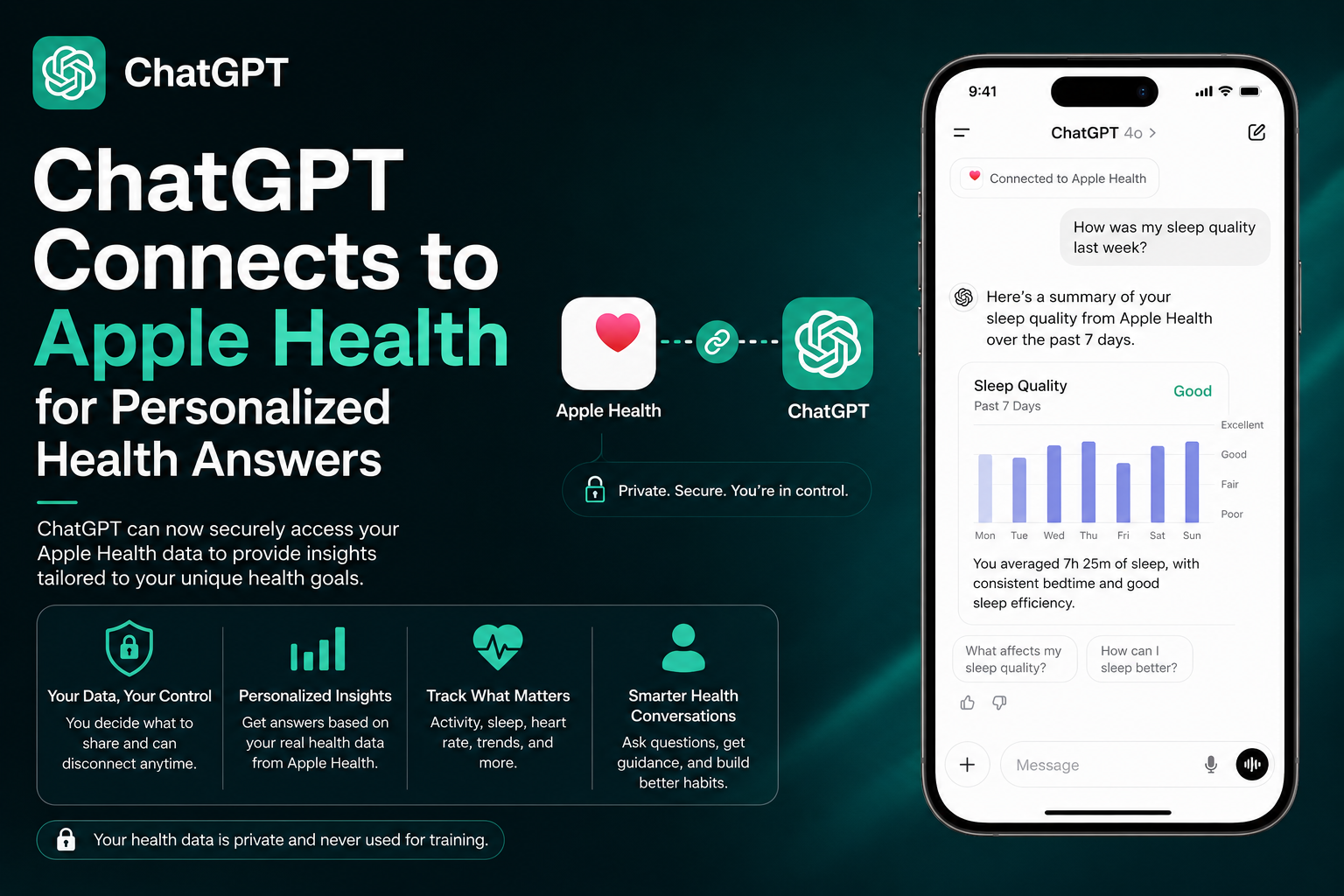
OpenAI is expanding ChatGPT into a new category with the launch of Health in ChatGPT. ChatGPT Apple Health integration lets users securely connect Apple Health and supported medical records so conversations can draw on personal context rather than isolated prompts.
The Health in ChatGPT feature is rolling out to users in the United States and is designed to help people ask health-related questions with more personalized context. OpenAI says millions use ChatGPT weekly for medical queries — everything from decoding lab results to preparing for doctor visits — but that information is often scattered across patient portals, hospital records, wearables and fitness apps.
How connections and permissions work
Health in ChatGPT allows users to connect Apple Health and supported medical records to their chats so the assistant can reference that information when answering questions. You can also edit a health profile inside ChatGPT by adding conditions, medications or family history, which helps produce more personalized health answers.
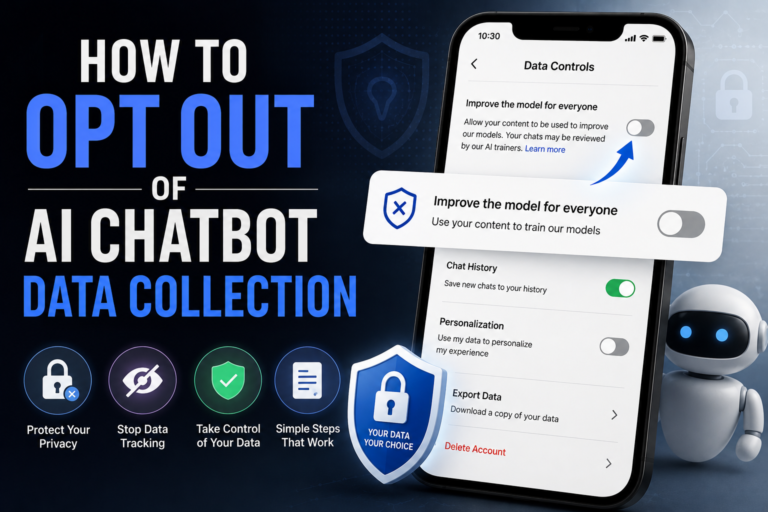
OpenAI emphasizes user control. ChatGPT asks for explicit permission before using any health information in a conversation. Users can grant access for a single session, allow ongoing access, or revoke permissions at any time through Health settings. The company clarifies that connected records may not always be complete or current and encourages users to verify important details against original medical records.
What types of data can be used
The feature works with wearable data and third-party fitness or nutrition apps that sync with Apple Health. As long as an app shares information with Apple’s platform, ChatGPT can use that data to provide better context for questions about activity, sleep, heart rate, medications, and recent visits.
- Medical records integration: Supported patient portals and hospital systems can be linked so the assistant can reference clinical notes and test results.
- Wearable data ChatGPT can read: Activity, heart rate trends, sleep metrics and other health signals that sync to Apple Health.
- Manual updates: Users can supplement connected data with self-reported conditions or medications within the assistant.
Privacy, transparency and limitations
Because health is highly sensitive, OpenAI positions the feature around consent and transparency. The assistant will request permission before accessing data and provides controls to disable or limit usage. OpenAI also warns that some proprietary scores or app-specific metrics may not transfer via Apple Health, so not all third-party data will be available in the same format.
The company frames Health in ChatGPT as an aid to understanding, not a replacement for medical professionals. It aims to help people interpret information from wearable devices, patient portals and medical records, but it does not substitute for clinical advice or diagnosis.
Why this matters for AI in healthcare
OpenAI’s move reflects a broader shift toward integrating personal data sources with conversational AI so assistants can offer more relevant support. By enabling medical records integration and connections to Apple Health, the OpenAI health feature could make it easier for users to prepare for appointments, track changes over time, or review medications—while keeping control over health data privacy.
The launch is an early step in the U.S. rollout of healthcare AI assistants that aim to enhance personal understanding of medical information, not to replace clinicians. As these tools evolve, the balance between usefulness and privacy will be central to adoption and trust.