Travel Benefits: How Micro-Trips Improve Wellbeing and Productivity
Travel and the Rise of Micro-Trips: Why Short Getaways Matter in 2026
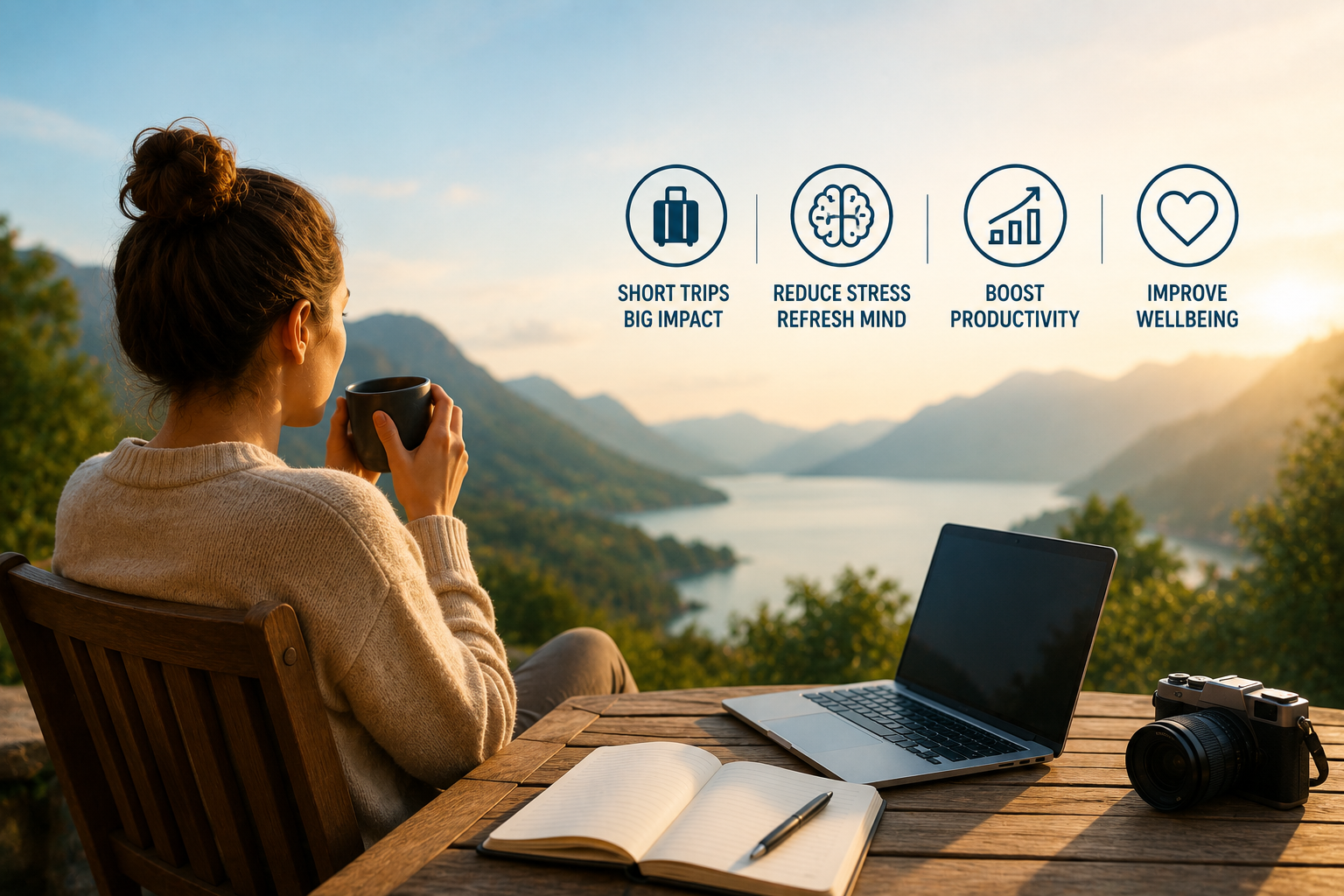
In 2026, travel is no longer just about long vacations. An emerging pattern—micro-trips, short and frequent getaways of two to four days—is reshaping how people gain the benefits of travel without major time off. Whether you’re a remote worker, a busy parent, or someone seeking regular mental health resets, understanding the benefits of Travel through the lens of micro-trips helps you design experiences that improve wellbeing, creativity, and productivity.
What counts as a micro-trip?
Micro-trips are brief, intentional escapes within a few hours’ travel from home. They can be overnight stays, weekend retreats, or a two-day city break. The key features are short duration, low planning overhead, and a focus on restorative activities.
Nine evidence-based benefits of Travel via micro-trips
- Rapid stress reduction: Short breaks interrupt chronic stress patterns. Brief changes of scenery and routine can lower cortisol and subjective stress levels within days.
- Boosted creativity: New environments and novel sensory experiences stimulate associative thinking and creative problem solving—beneficial for work and personal projects.
- Improved mental health: Regular short trips provide repeated opportunities for mood elevation, reduced anxiety, and better emotional regulation. Public health guidance increasingly recognizes nature exposure and leisure travel as mental health supports (World Health Organization).
- Greater productivity: Micro-trips act like mini-reboots. Returning to work after a short, restorative break often yields higher focus and faster task completion than prolonged periods without any break.
- Lower cost with high ROI: Because micro-trips are shorter, they tend to be more affordable and easier to schedule—delivering disproportionate wellbeing returns per dollar spent.
- Stronger social bonds: Short group trips or family weekends create meaningful shared experiences that strengthen relationships without the stress of long travel.
- Habit formation and sustainable travel patterns: Frequent short trips encourage slower, closer-to-home exploration, often reducing carbon-intensive long-haul flights and supporting local economies.
- Physical health benefits: Micro-trips that include walking, cycling, or outdoor activity can improve cardiovascular health and sleep quality.
- Memory consolidation and cognitive resilience: Brief breaks with novel experiences support memory encoding and resilience against cognitive decline, aligning with findings on lifestyle factors that support brain health (Harvard Medical School).
How micro-trips deliver benefits faster than long vacations
Longer vacations are valuable, but micro-trips offer more frequent reset points. By spacing short restorative experiences throughout the year, you maintain lower baseline stress and more consistent gains in creativity and productivity. Employers adopting flexible work and ‘‘workation’’ policies find that regular short breaks help maintain employee engagement and reduce burnout.
Travel strategy: Planning micro-trips that maximize benefits
To capture the benefits of Travel, use simple design principles when planning micro-trips:
- Prioritize novelty: Choose destinations or activities that introduce new sensory input—different neighborhoods, new trails, or cultural experiences.
- Limit digital tethering: Set clear boundaries for work and social media. Even partial disconnection amplifies restorative effects.
- Include physical activity: Walk, bike, or swim. Movement and fresh air compound mental and physical benefits.
- Plan flexible itineraries: Avoid over-scheduling. Micro-trips are most restorative when they include spontaneous, low-pressure time.
- Support local and sustainable options: Choose local lodging, public transit, or active travel to reduce environmental impact and increase community benefit.
Tips for busy schedules and limited budgets
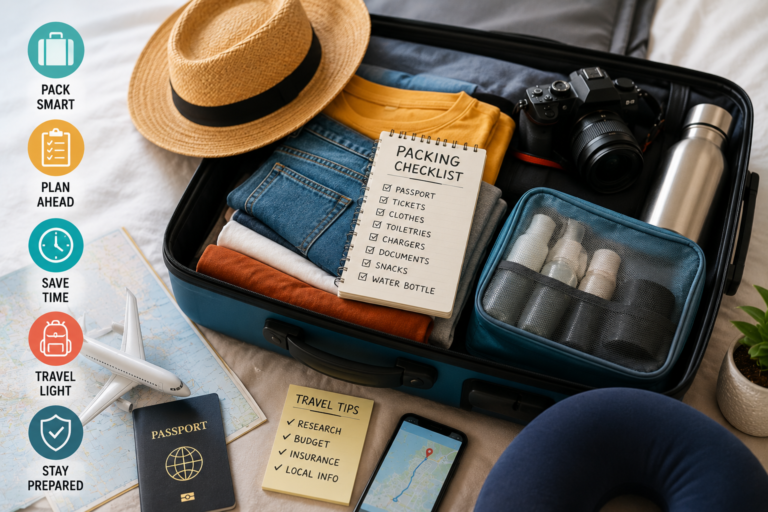
- Book stays mid-week for lower rates and fewer crowds.
- Use train and bus routes to skip airport time and stress.
- Leverage local tourism offers, last-minute deals, or subscription-based travel platforms that specialize in short trips.
- Coordinate micro-trips around public holidays or remote work days to minimize annual leave use.
Measuring impact: How to know micro-trips are working
Track simple metrics to assess benefits: sleep quality, subjective stress scores, creativity ratings, and productivity output in the days after a trip. Many people notice immediate improvements in mood and focus for up to two weeks post-trip. Aggregate these personal data points across the year to evaluate ROI.
FAQs
How often should I take a micro-trip to see benefits?
Every 6 to 8 weeks is a practical cadence for many people. Even one short trip every quarter can produce meaningful benefits, but higher frequency sustains lower stress levels year-round.
Are micro-trips effective during busy work periods?
Yes—short breaks can prevent burnout during intense work cycles. Plan brief escapes during natural lulls or between project milestones to maintain momentum.
Can micro-trips be sustainable?
Absolutely. Choosing nearby destinations, public transit, and low-impact lodging reduces emissions compared with long-haul flying and supports local economies.
Do micro-trips help families as much as solo travelers?
Yes. Short family trips can strengthen bonds and introduce children to new environments without extended disruption to routines.
Conclusion
Travel in 2026 is evolving from rare, prolonged vacations to a series of intentional micro-trips that deliver frequent, measurable benefits. These short getaways reduce stress, spark creativity, boost productivity, and support sustainable travel patterns. By designing micro-trips with novelty, physical activity, and digital boundaries in mind, individuals and organizations can capture the advantages of Travel more consistently and affordably than ever before.
For further reading on travel and mental health, see guidance from the World Health Organization and research summaries published by Harvard Medical School on lifestyle and brain health.