iPhone 17 Alternatives: Best Phones to Consider in 2026
Why look for iPhone 17 alternatives in 2026
The iPhone 17 continues Apple’s push on performance, ecosystem integration, and camera upgrades, but it may not be the right fit for every buyer. Whether you want more customization, a better value, a larger or foldable display, or a specific advantage in battery or camera hardware, alternatives to the iPhone 17 now offer compelling trade-offs. This guide highlights practical, up-to-date options in 2026 so you can choose a phone that matches your priorities.
Top categories of iPhone 17 alternatives
Consider these categories when you evaluate alternatives to the iPhone 17: flagship Androids for raw specs and variety; foldables for multitasking and large-screen productivity; camera-centric phones for photography enthusiasts; and mid-range devices for value seekers.
Flagship Androids: Power, variety, and features
- Why choose one: Android flagships often lead in display innovations, charging speeds, and customization. They may offer similar or better performance for some workflows and more hardware variety than Apple’s lineup.
- Look for: the latest SoC, high refresh rate OLED, strong thermal design, and fast wired and wireless charging.
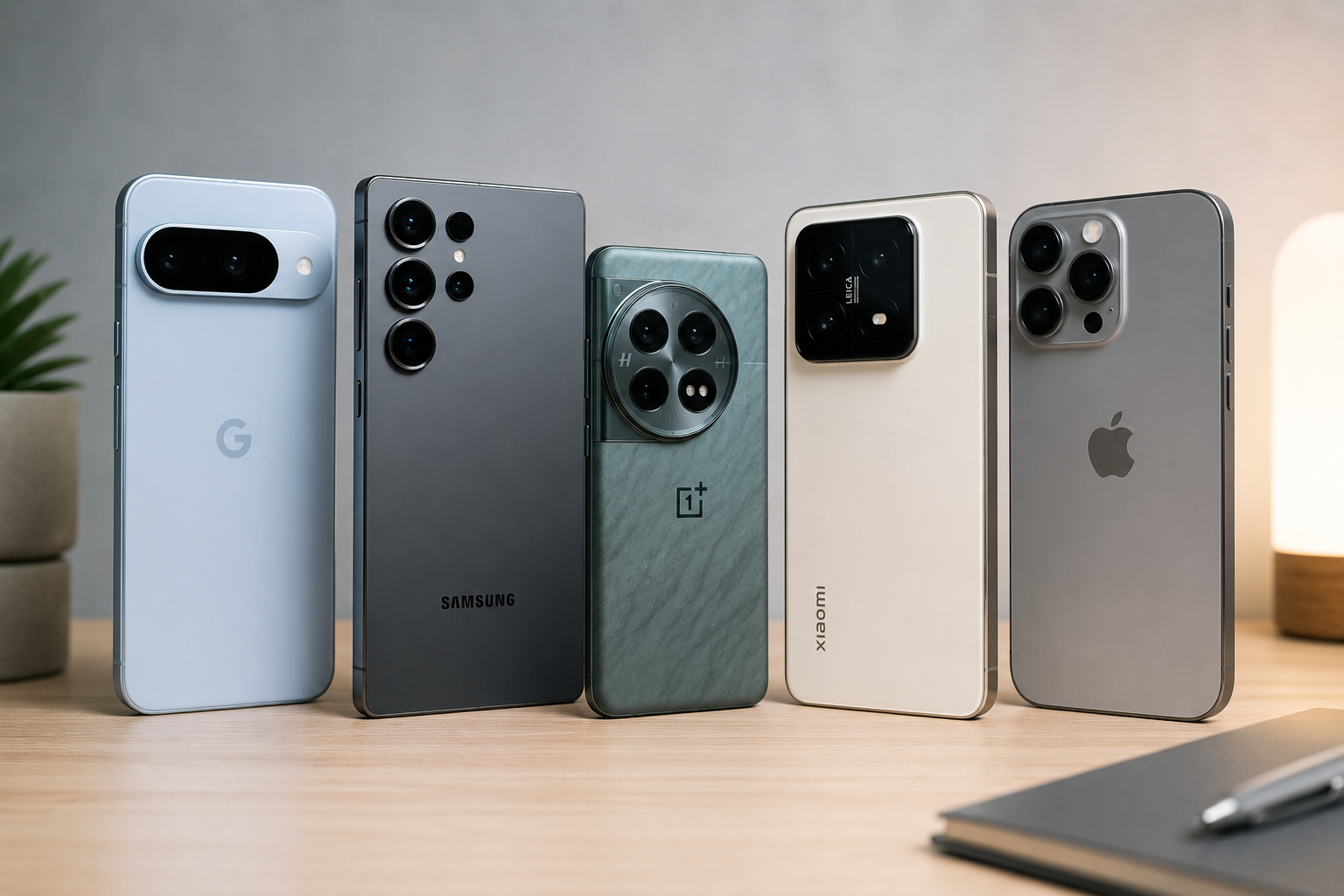
- Examples: Leading models from Samsung, Google, and OnePlus in 2026 compete directly with the iPhone 17 on speed and display tech. For hands-on battery and performance breakdowns, reference reviews on GSMArena and DxOMark for camera comparisons.
Foldables: Bigger screens without a tablet
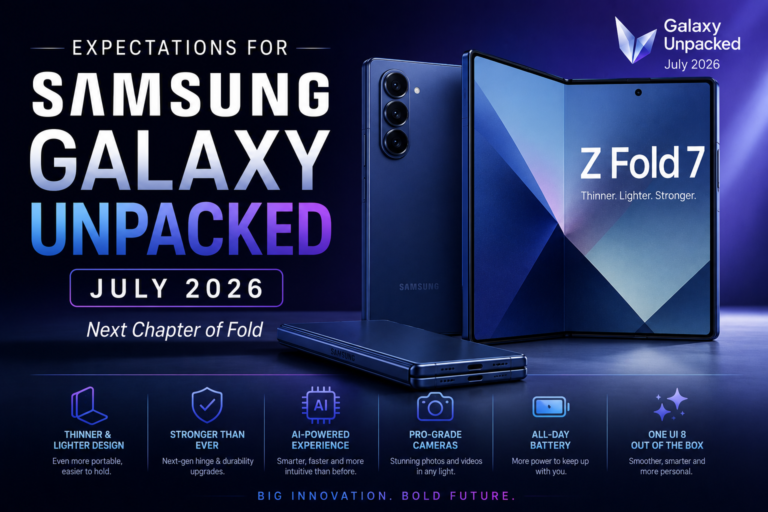
- Why choose one: Foldables deliver tablet-scale screens in a pocketable form. If you multitask, edit documents, or consume media on the go, a foldable could be a more productive alternative than the iPhone 17.
- What to expect: Improved durability, better multitasking UI, and app optimization that matured significantly by 2026.
- Consider: Samsung Galaxy Z series and other OEM foldables that now offer long-term software support and refined hinges.
Camera-centric phones: Photographers take note
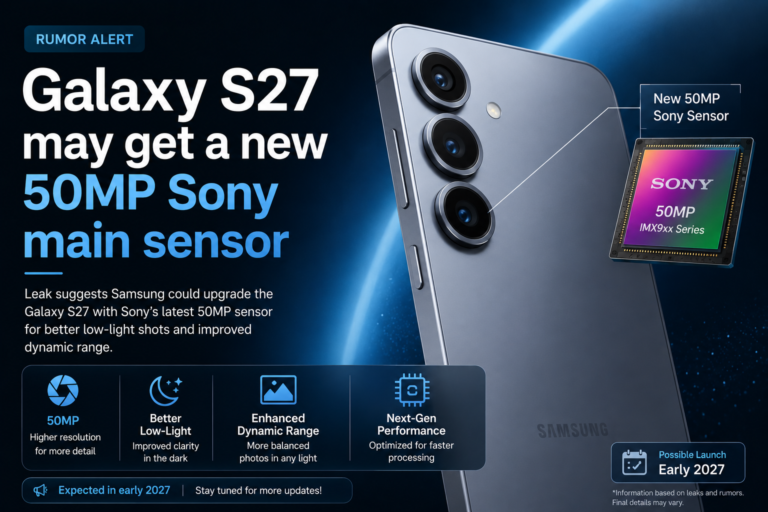
- Why choose one: If photography is your top priority, some Android phones and specialty models provide sensors, zoom systems, and computational photography that either match or surpass the iPhone 17 in specific scenarios.
- Metrics to check: sensor size, periscope zoom capability, low-light performance, and DxOMark or independent lab scores for consistency.
- Tip: Read camera shootouts and sample galleries from multiple reviewers to find the real-world winner for your use case.
Value and mid-range picks: Smart trade-offs
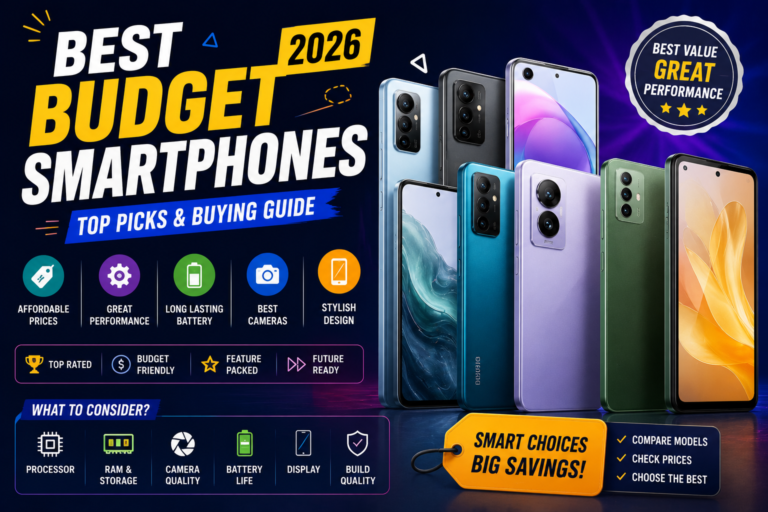
- Why choose one: If you want long battery life, solid cameras, and modern features without premium pricing, mid-range phones in 2026 offer outstanding value compared with the iPhone 17.
- What to compromise: Build materials and some high-end sensors, but benefit from competitive processors, improved software, and better charging.
- Recommendation: Look for brands that commit to multi-year updates and reliable post-sale support.
How to choose the right iPhone 17 alternative
Selecting the best alternative depends on three main factors: your priorities, budget, and ecosystem. If you rely on Apple services, switching can add friction. But if cross-platform apps and cloud services cover your needs, Android offers more hardware diversity. Use the following checklist to narrow choices:
- Priority: camera, battery, display, or productivity
- Budget: flagship versus mid-range spend
- Software: expected update length and OS preferences
- Accessories: wireless earbuds, chargers, and repairability
- Carrier needs: mmWave or broad 5G support for travel
Practical comparisons and trusted resources
When comparing specs and real-world performance, combine manufacturer details with independent testing. Apple provides official specs and software capabilities on its product pages, which help confirm features. For battery and camera testing, consult independent labs and reviews by GSMArena and DxOMark for objective metrics and sample galleries.
FAQ
Is switching from iPhone 17 to Android difficult?
Switching is easier than ever. Major apps are cross-platform, and migration tools can transfer contacts, photos, and messages. Consider whether you use Apple-only services like iMessage or iCloud, and plan for alternatives if needed.
Which alternative offers the best camera over the iPhone 17?
There is no single answer. Some Android flagships and specialty camera phones outperform the iPhone 17 in zoom or low-light scenes. Check detailed camera shootouts and lab scores from DxOMark and photo galleries from trusted reviewers to see real-world differences.
Are foldables more fragile than the iPhone 17?
Durability has improved significantly by 2026. Top-tier foldables now offer robust hinge mechanisms and tougher inner displays, but they still require careful handling compared with a unibody slab like the iPhone 17.
Can I get similar software updates on alternatives?
Some Android manufacturers now match Apple’s multi-year update cadence. Research the brand’s update policy before buying to ensure long-term security and feature updates.
Conclusion
The iPhone 17 remains a strong choice, but viable alternatives in 2026 span high-performance Android flagships, innovative foldables, camera specialists, and value-packed mid-range phones. Define your priorities, consult independent test results, and choose a phone that aligns with how you use it daily. Using the checklist and categories above will help you find the best iPhone 17 alternative for your needs.
References: Apple product pages for official specs, independent tests and reviews from GSMArena and DxOMark for camera and battery analysis.