Samsung’s Next Galaxy Watch Promises AI-Powered Health Coaching — What We Know
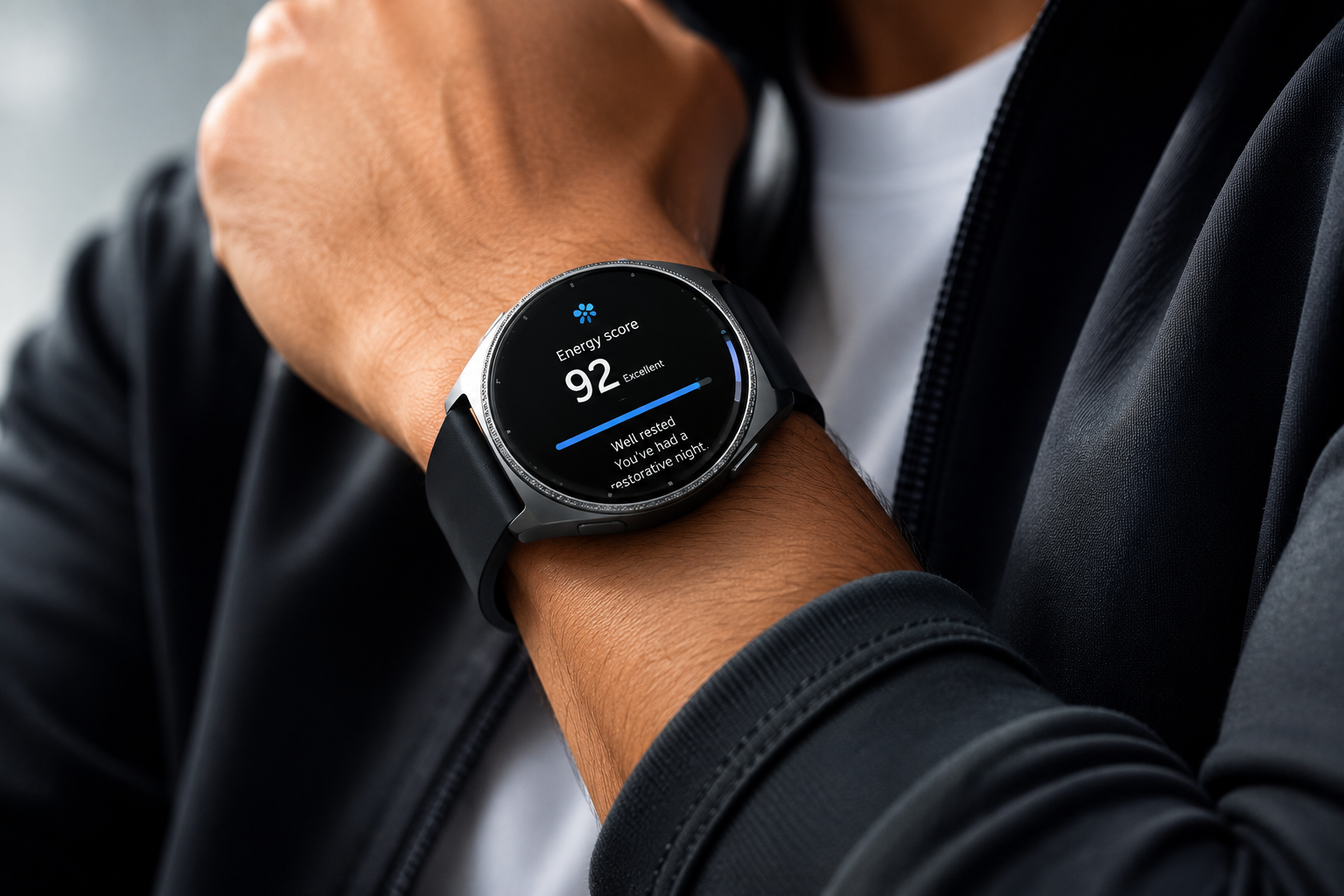
Samsung positions its next Galaxy Watch as an “AI-powered health companion”
Samsung is gearing up to broaden the role of its smartwatches from passive sensors to proactive health guides. Ahead of its Galaxy Unpacked event on July 22, the company described the upcoming devices as delivering “a whole new level of effortless wellness,” promising AI-driven interpretation of health data rather than simply charting it.
In a newsroom announcement and accompanying social post, Samsung framed the new models as companions that will not only monitor sleep, energy and stress, but also analyze that information and offer guidance. The company hinted at refreshed internal components and improved battery life, though it stopped short of providing specific chip names or battery capacities.
“Coming Soon: A New AI-Powered Health Companion on Your Wrist” — Samsung Electronics (tweet)
What the AI focus means for health tracking
Traditionally, smartwatches collect data—heart rate, sleep stages, activity levels—and present it in graphs or summaries. Samsung’s messaging suggests the next Galaxy Watch will interpret signals to flag possible issues and recommend actions. That includes interpreting patterns tied to sleep apnea, energy fluctuations and stress responses, rather than leaving users to draw conclusions from raw logs.
Moving interpretation on-device or closer to the user experience can make health insights more immediate and private. It may also enable features such as personalized coaching prompts, sleep-focused recommendations, or stress-mitigation suggestions triggered by observed patterns.
Wear OS, Google Health Coach and ecosystem implications
Samsung’s watches run Wear OS, and Google recently introduced a Health Coach feature in May. Because of this, some observers think Samsung’s “AI-powered health companion” might integrate Google’s coaching framework or represent a Samsung-tailored rebrand that leverages similar AI coaching capabilities. Either way, tighter software-level coaching would mark a shift toward more active, personalized guidance from wearable devices.
Hardware rumors: Snapdragon Wear Elite, NPUs and bigger batteries
Samsung did not disclose hardware specifics, but leaks and industry chatter have offered a clearer picture of the probable components. Multiple reports indicate Samsung may move away from its Exynos watch chips and adopt Qualcomm’s Snapdragon Wear Elite platform. The chip is reportedly a five-core design built on a 3nm process and includes a dedicated neural processing unit (NPU) meant to accelerate on-device AI.
Qualcomm has claimed the Wear Elite platform can deliver up to 30 percent better battery life compared with its predecessor. That dovetails with rumors of larger cells in the upcoming models: leaked figures suggest the 44mm Galaxy Watch 9 could pack a 445mAh battery, while the Watch Ultra 2 might house an 800mAh cell. Samsung itself has only promised “improved battery life” so far.
Why the dedicated NPU matters
An NPU specializes in running machine learning models efficiently on the device, reducing latency and reliance on cloud processing. For health features, an on-device NPU could enable faster interpretation of sensor data, improved privacy, and offline functionality for AI-driven insights — important when translating raw measurements into actionable coaching in real time.
Price and availability expectations
Switching to newer silicon and larger batteries could increase costs. German site WinFuture reported that Samsung might raise prices across the Watch lineup by about 30 to 50 euros. According to those reports, pricing could start near 409 euros for the 40mm Galaxy Watch 9 and reach about 749 euros for the Watch Ultra 2.
Samsung is expected to unveil the full details of the new Galaxy Watch models alongside foldable phones later this month at its Galaxy Unpacked event, so official specifications, pricing and availability should arrive on or shortly after July 22.
What to watch for at Galaxy Unpacked
- Official confirmation of the chipset and whether Qualcomm’s Snapdragon Wear Elite is used
- Precise battery capacities and real-world endurance claims
- A breakdown of the AI health features and whether they leverage Google Health Coach or a Samsung-specific implementation
- Final pricing, regional availability and any new sensors or design updates
Bottom line
Samsung is signaling a step-change in how its wearables help users manage health: from recording data to interpreting it and offering guidance. Leaks point to modernized hardware—potentially Qualcomm’s latest wearable silicon and larger batteries—that could support more sophisticated on-device AI. Official details will arrive at Galaxy Unpacked on July 22, when Samsung is expected to disclose full specs, features and pricing for the Galaxy Watch 9, Watch Ultra 2 and other new devices.