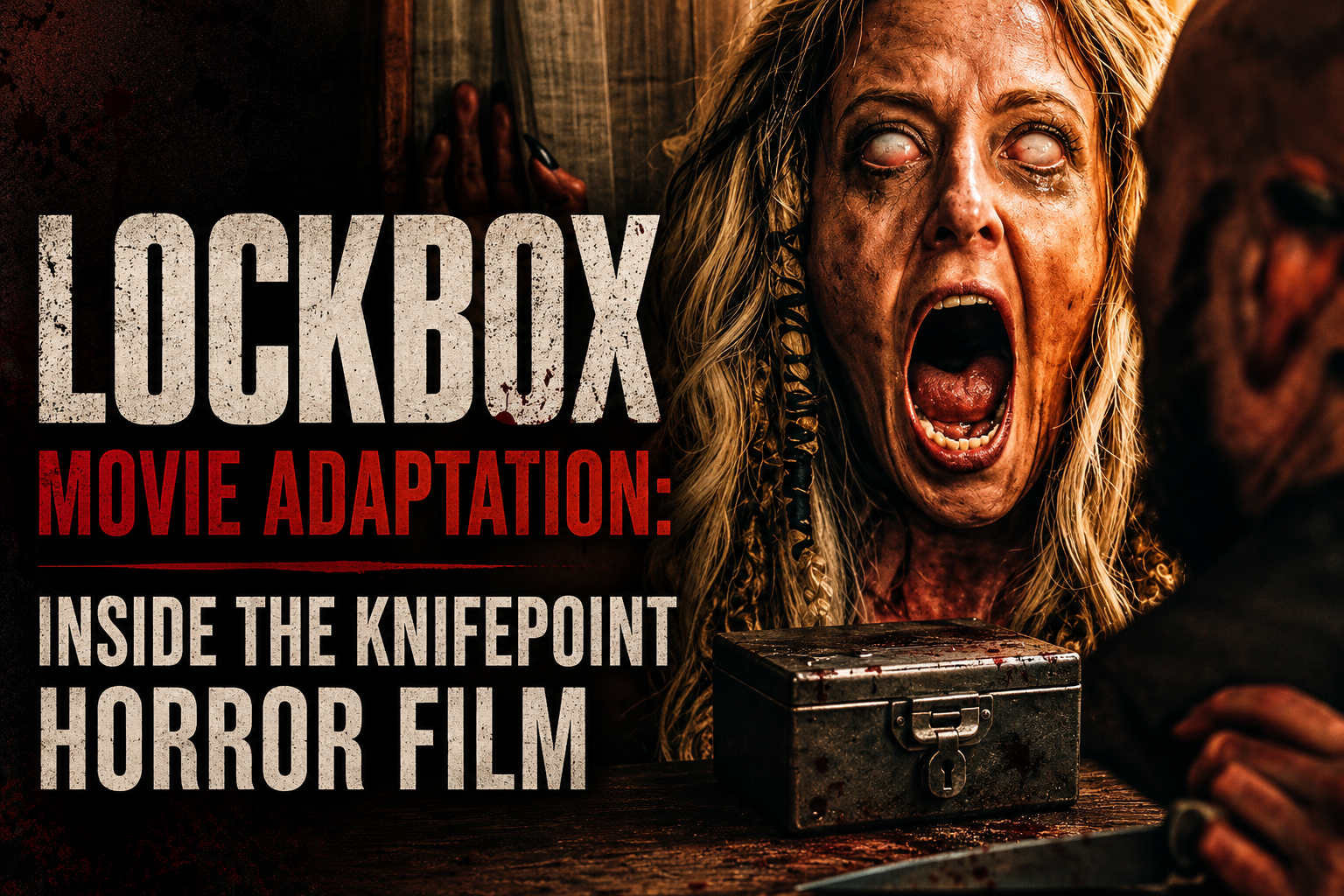
Lockbox Movie Adaptation: Inside the Knifepoint Horror Film
How Lockbox movie adaptation turned a podcast into cinema
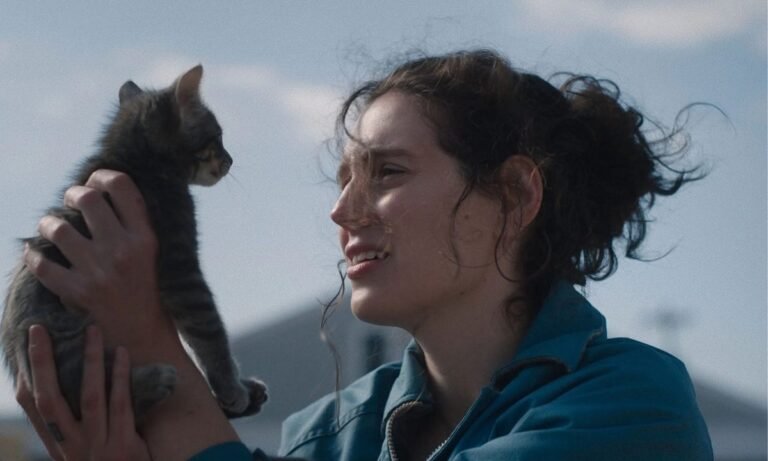
The Lockbox movie adaptation takes the intimate, voice-driven terror of the Knifepoint Horror podcast and reimagines it as a feature film. Director Daniel Stamm, producer Capstone Pictures, and a compact, committed cast led by Carla Gugino, Lou Taylor Pucci, and Katharine Isabelle worked to preserve the story’s psychological core while building a visual and dramatic language for theaters.
From audio intimacy to visual dread
Adapting a podcast that relies on a protagonist’s internal voice presented an early challenge: how to translate inward monologue into visual storytelling without losing the original’s tension. Stamm credits writers Justin Yoffe and producer Kearie Peak with crafting a screenplay that shifts the narrative from spoken confessions to immersive cinematic scenes. The team aimed to make the film feel native to cinema rather than a filmed podcast.
Why this adaptation stands out
Lockbox avoids being an homage or a pastiche of established genre classics. Instead, it pursues its own unsettling pathway—melding murder mystery, courtroom unease, and supernatural dread. That blend gives the film tonal variety: at moments procedural, at others quietly horrific.
- Preserves the source’s psychological focus while expanding its world.
- Refuses straightforward genre labels—becoming both domestic drama and supernatural thriller.
- Leverages strong practical performances to maintain ambiguity about the supernatural elements.
Lockbox movie adaptation: cast and performances
Carla Gugino anchors the film as a compassionate woman trying to protect her veteran cousin. Gugino’s involvement added a layer of exacting detail during production—she noticed and weighed choices across departments, helping refine performances and visuals without overshadowing fellow actors.
Lou Taylor Pucci plays the cousin, a character who occupies a precarious space between vulnerability and menace. To support multiple interpretive choices, Pucci and Stamm recorded alternating takes—leaning either more innocent or more threatening—so the director could shape the final tone in editing. Pucci also committed to a physical transformation that emphasized the character’s military background and fragility.
Katharine Isabelle portrays the neighbor Vahna, a role that drew her immediately because of the character’s eccentric charm and volatility. Isabelle has described Vahna as simultaneously dangerous, vulnerable, and magnetic—qualities that proved irresistible to the actor and essential to the film’s uneasy atmosphere.
Behind the scenes: collaboration and trust
A core theme from the set was collaboration. Stamm emphasizes the trust between director and cast, particularly when actors were asked to provide contrasting performances for editorial choice. That trust is visible on screen: the movie maintains a careful balance between character-driven drama and moments of outright dread.
Producers at Capstone Pictures guided the project from podcast to production. Their experience with genre filmmaking informed practical decisions—lighting, sound design, and set dressing—that transform the podcast’s claustrophobic voice into tangible cinematic environments.
Sound, silence, and the unseen
Sound design plays a critical role in translating an audio-first story for visual media. While the podcast relied heavily on narration and implied terror, the film uses silence and selective sound cues to build suspense. The production prioritized atmosphere over spectacle, choosing to suggest horrors as much as to reveal them.
What audiences can expect
Lockbox premieres in theaters on July 3. Viewers should expect an unpredictable experience: the film moves between intimate character study and unnerving supernatural beats. If you’re curious about the original material, the Knifepoint Horror podcast provides helpful context, though the film is designed to stand on its own.
For more on the origins of the story, you can explore the Knifepoint Horror podcast. To read more about the director’s filmography, see Stamm’s profile on IMDb. Learn about Carla Gugino’s career on her IMDb page.
Comparison: podcast vs. film
| Element | Knifepoint Horror (Podcast) | Lockbox (Film) |
|---|---|---|
| Narrative focus | Internal monologue, intimate POV | Visualized scenes, ensemble performances |
| Atmosphere | Audio tension, imagination-driven | Sound design and cinematography create dread |
| Accessibility | Listeners familiar with podcast style | Designed as a standalone film experience |
Final thoughts
Lockbox’s success rests on a clear ambition: to honor the original Knifepoint Horror material while creating a film that breathes and scares on its own terms. The filmmakers’ careful choices—casting, sound, and a willingness to leave questions unresolved—aim to keep audiences unsettled long after the credits roll.
If you want deeper context on the production choices or cast discussions, see the director profile and extended interviews linked here for more detail: director profile and interview, cast conversations and behind-the-scenes. For ticketing and release information, check local listings or the film’s official channels via official release page.
Lockbox promises an unnerving summertime premiere—one that asks viewers to decide what they believe, and what remains locked away.