Best Horror Movies of 2026, Ranked: The Scariest Movies to Watch Right Now
2026 has already been a surprisingly strong year for horror. Instead of relying only on familiar franchises and conventional jump scares, this year’s releases have explored everything from cursed wishes and liminal spaces to supernatural romance, psychological loops, cult horror, and gothic stories rooted in cultural identity.
What makes the 2026 horror lineup particularly interesting is the variety. Obsession turns an innocent wish into a nightmare, while Backrooms transforms an internet-born horror concept into a full-length cinematic experience. Leviticus uses supernatural horror to explore repression and desire, and Mārama brings a distinctly Māori perspective to the gothic genre.
But which movies deserve your time?
We’ve ranked the best horror movies of 2026 based on storytelling, atmosphere, originality, performances, direction, visual style, and how effectively each movie creates tension. Box-office success and online buzz are considered, but they aren’t enough on their own to earn a high spot.
This list focuses on movies that have received a proper 2026 release. Festival-only titles and movies that have not yet had a full release are excluded.
Quick Look: Best Horror Movies of 2026
| Rank | Movie | Director | Horror Style | Best For |
|---|---|---|---|---|
| 1 | Obsession | Curry Barker | Psychological / Supernatural | Twisted horror |
| 2 | Backrooms | Kane Parsons | Liminal / Sci-Fi Horror | Atmosphere |
| 3 | Hokum | Damian McCarthy | Haunted House | Traditional horror |
| 4 | Touch Me | Addison Heimann | Sci-Fi / Horror Comedy | Something different |
| 5 | They Will Kill You | Kirill Sokolov | Action / Supernatural Horror | Fast-paced scares |
| 6 | Leviticus | Adrian Chiarella | Supernatural / Psychological | Emotional horror |
| 7 | 28 Years Later: The Bone Temple | Nia DaCosta | Post-Apocalyptic Horror | Zombie fans |
| 8 | Faces of Death | Daniel Goldhaber | Slasher / Psychological | Dark, disturbing stories |
| 9 | Mārama | Taratoa Stappard | Gothic Horror | Slow-burn horror |
| 10 | Exit 8 | Genki Kawamura | Psychological / Surreal Horror | Mind-bending stories |
How We Ranked the Horror Movies of 2026
A horror movie doesn’t need to be the bloodiest or loudest film to be effective. For this list, we looked at several factors.
Story and originality: Does the movie bring something interesting to a familiar horror concept?
Atmosphere: Can the film create tension even when nothing obvious is happening?
Direction and visuals: How effectively does the director use locations, lighting, sound, camera movement, and production design?
Performances: Do the characters feel believable enough for the audience to care about what happens to them?
Horror payoff: Does the movie actually deliver on its premise, or does the setup feel more interesting than the final result?
Staying power: Some horror movies are fun for two hours and immediately disappear from your mind. Others leave you thinking about them long after the credits. That lasting effect also matters here.
#1. Obsession
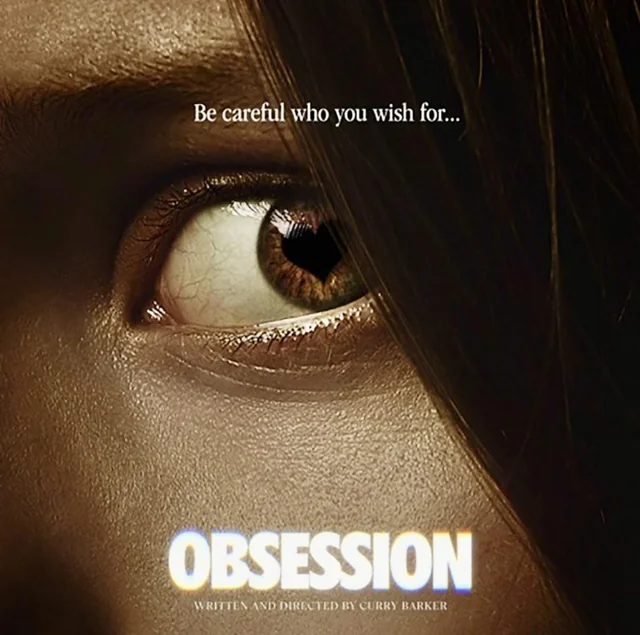
Director: Curry Barker
Starring: Michael Johnston, Inde Navarrette, Cooper Tomlinson, Megan Lawless
Genre: Horror, Thriller
Release: May 15, 2026
If you’re looking for a horror movie that starts with a simple idea and gradually turns it into something much darker, Obsession is an easy place to start.
The film follows Bear, a hopeless romantic who uses a mysterious object called the One Wish Willow in an attempt to get closer to the woman he loves. Naturally, getting exactly what you wish for turns out to be considerably more dangerous than expected. Focus Features describes the film as a story about getting what you want and discovering the sinister price attached to it.
What makes Obsession work is that the horror doesn’t depend entirely on monsters or elaborate set pieces. Much of its tension comes from uncertainty. You know something is wrong, but the movie deliberately makes you question exactly where things are heading.
Inde Navarrette also gives the film a strong center. Her performance helps maintain the uncomfortable balance between attraction, confusion, and genuine danger.
The movie was directed, written, and edited by Curry Barker, who previously built an audience through his horror-focused online work.
Why it ranks #1
Obsession understands that sometimes the most effective horror comes from taking an ordinary human desire and pushing it too far. It’s accessible enough for casual horror viewers while still giving genre fans plenty to discuss afterward.
Best for: Viewers who enjoy psychological horror, supernatural twists, and uncomfortable relationship dynamics.
#2. Backrooms
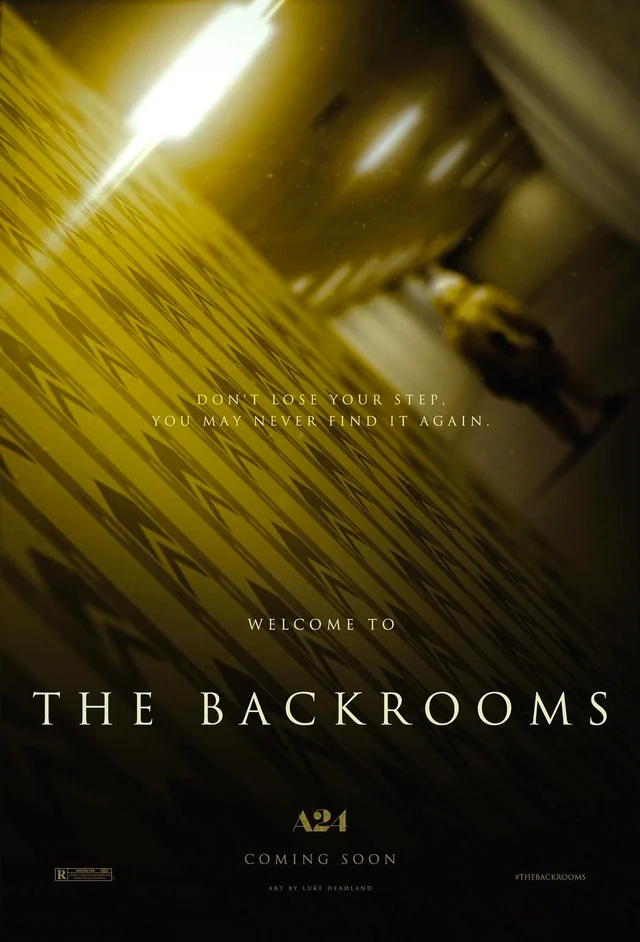
Director: Kane Parsons
Starring: Chiwetel Ejiofor, Renate Reinsve
Genre: Horror, Mystery, Science Fiction
Runtime: 1 hour 51 minutes
The internet has produced plenty of horror concepts, but few have become as recognizable as the Backrooms. Kane Parsons takes that idea and expands it into a feature-length cinematic experience.
The story begins when a strange doorway appears in the basement of a furniture showroom. From there, the familiar idea of endless, unsettling spaces becomes the foundation for a much larger nightmare. A24 lists Parsons as director, with Chiwetel Ejiofor and Renate Reinsve among the principal cast.
The strongest element here is the environment.
Instead of constantly throwing monsters at the audience, Backrooms understands that an empty hallway can sometimes be more frightening than a creature. The repetitive architecture, strange spaces, and feeling of being completely lost create a sense of isolation that carries much of the movie.
The production also deserves attention. The filmmakers built extensive physical sets for the movie, helping turn the familiar internet concept into something that feels tangible rather than simply computer-generated.
Why it ranks #2
Backrooms is particularly effective when it allows its environments to create the fear. If you enjoy atmospheric horror where the setting itself feels like the villain, this should be near the top of your watchlist.
Best for: Fans of liminal spaces, psychological horror, mystery, and atmospheric filmmaking.
#3. Hokum
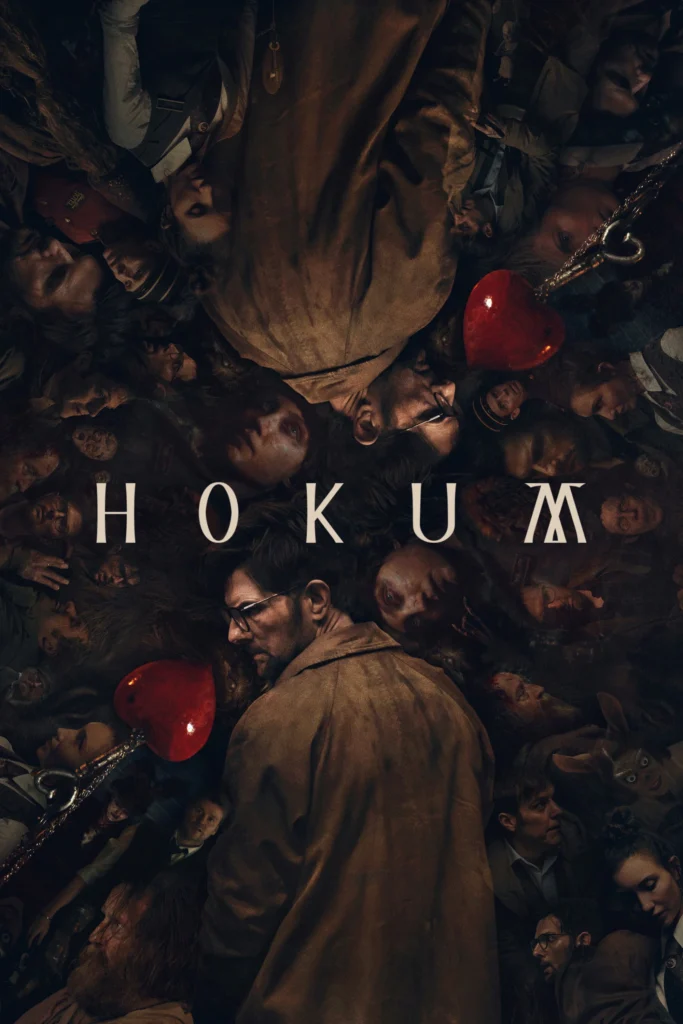
Director: Damian McCarthy
Starring: Adam Scott
Genre: Supernatural / Haunted-House Horror
Hokum takes a much more traditional horror route. Instead of building its scares around a massive mythology or complicated science-fiction concept, it puts its central character in an unsettling location and lets the environment do much of the work.
Adam Scott plays Ohm Bauman, a character who finds himself trapped in an increasingly disturbing situation. The film comes from writer-director Damian McCarthy, whose previous work has shown a strong interest in isolated locations and supernatural unease. IMDb credits McCarthy as both writer and director and lists Scott as Ohm Bauman.
What makes Hokum interesting is the contrast between comfort and decay. The location initially feels like somewhere you could settle into, but small details gradually make it feel wrong.
The film also understands that haunted-house horror works best when the audience is given enough time to explore the environment.
Why it ranks #3
For viewers who miss old-fashioned supernatural horror but still want modern production values, Hokum offers a familiar formula without completely abandoning atmosphere.
Best for: Haunted-house fans and viewers who prefer traditional supernatural horror.
#4. Touch Me
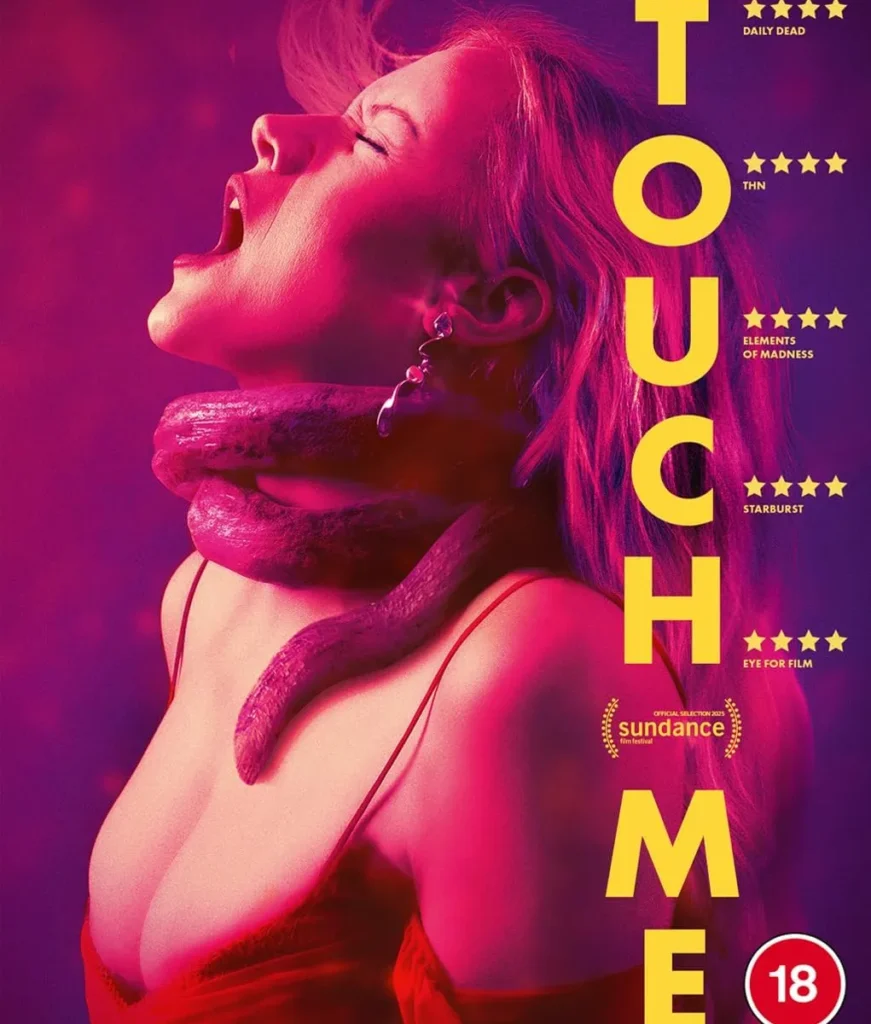
Director: Addison Heimann
Starring: Olivia Taylor Dudley, Lou Taylor Pucci, Jordan Gavaris
Genre: Horror, Sci-Fi, Comedy
There aren’t many horror movies this year quite like Touch Me.
The film follows Joey and Craig, two codependent friends whose lives become increasingly strange after Joey’s mysterious former partner, Brian, returns. Brian happens to be an alien whose touch provides a powerful sense of relief, but that apparent healing comes with a much darker side.
That premise tells you almost everything you need to know about the movie’s personality.
Touch Me isn’t interested in fitting neatly into one genre. It mixes science fiction, horror, comedy, strange romance, and deliberately uncomfortable ideas about dependency and happiness.
That’s also why it won’t work for every horror fan. If you want a straightforward monster movie, this isn’t it. But if you enjoy movies that take bizarre concepts seriously while still having a sense of humor, Touch Me is one of the more unusual releases of the year.
Why it ranks #4
Its biggest strength is its willingness to be strange. It doesn’t feel like another movie assembled from familiar horror ingredients.
Best for: Viewers looking for unconventional, genre-bending horror.
#5. They Will Kill You
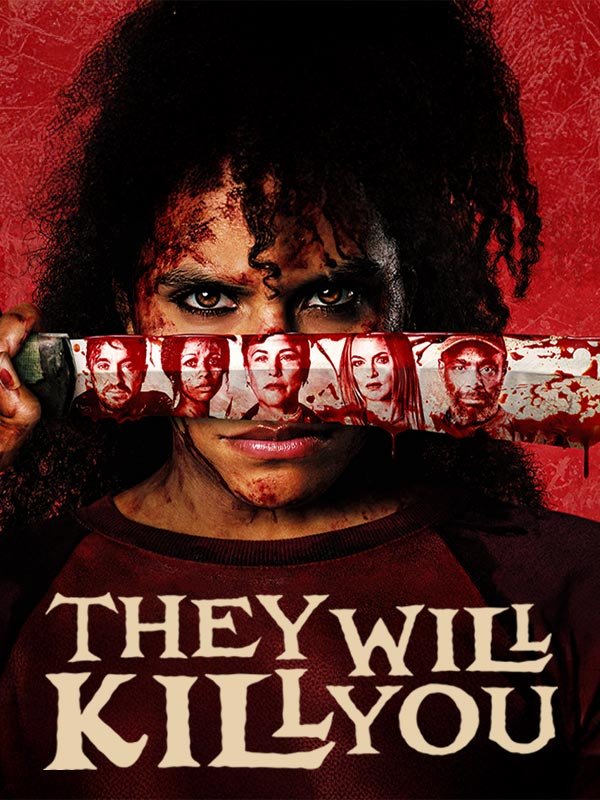
Director: Kirill Sokolov
Starring: Zazie Beetz, Myha’la, Tom Felton, Heather Graham, Patricia Arquette
Genre: Horror, Action
They Will Kill You combines supernatural horror with action and turns an apparently ordinary job into a nightmare.
The story follows a woman who responds to a cryptic advertisement for a live-in housekeeping position at a luxurious New York City high-rise. Once inside, she discovers that the building has a disturbing history involving disappearances and rumors of a satanic cult.
That setup gives the movie plenty of room to move between mystery, horror, and action.
Rather than relying exclusively on slow-burn tension, the film embraces bigger sequences and a more energetic style. Zazie Beetz leads the cast, surrounded by a deliberately eccentric group of characters whose secrets gradually become part of the larger mystery.
Why it ranks #5
The combination of action and supernatural horror makes this a good choice when you want something more energetic than a traditional slow-burn horror film.
Best for: Fans of action-horror, cult stories, and fast-moving supernatural thrillers.
#6. Leviticus
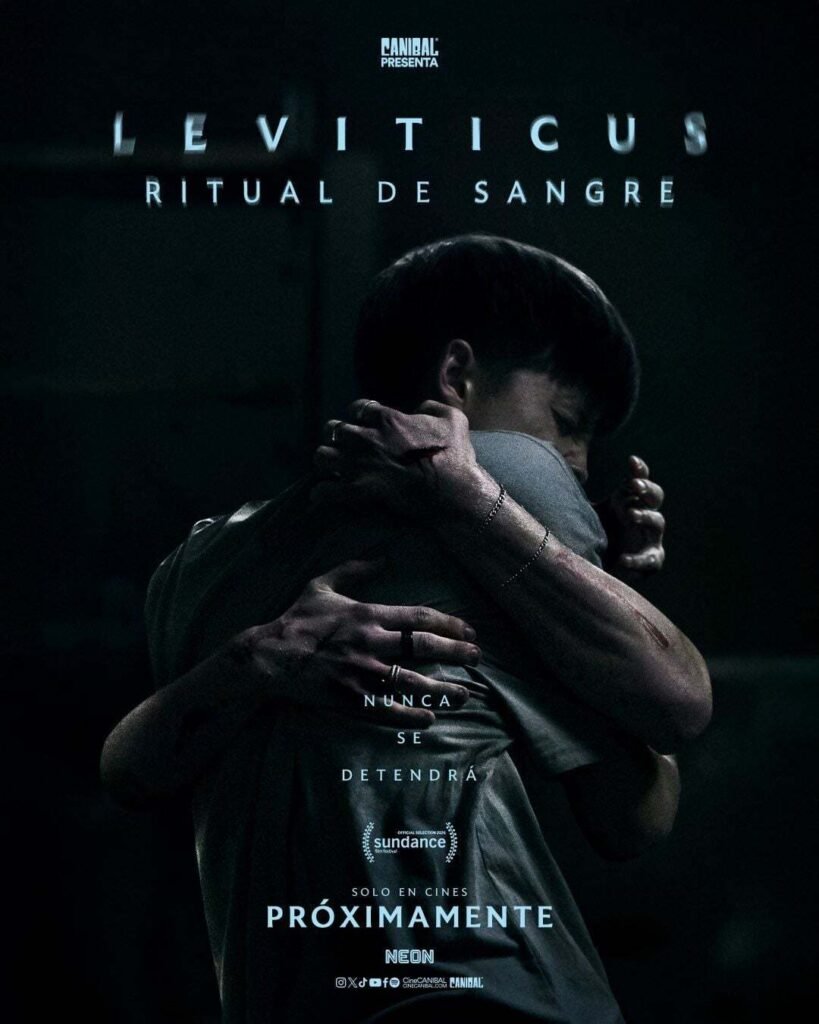
Director: Adrian Chiarella
Starring: Joe Bird, Stacy Clausen
Genre: Supernatural Horror
Runtime: About 88 minutes
Leviticus is one of the more emotionally focused horror films on this list.
The story follows Naim and Ryan, two teenage boys whose growing relationship becomes entangled with a violent supernatural force. The film uses horror to explore repression, fear, religious pressure, and the consequences of trying to suppress something deeply personal.
Causeway Films confirms that Adrian Chiarella wrote and directed the film, with Joe Bird and Stacy Clausen in the leading roles. It received its Australian and New Zealand release on June 18, 2026, followed by its U.S. release on June 19.
Rather than filling every scene with jump scares, Leviticus spends considerable time developing the emotional relationship between its central characters. That makes the horror more personal when things eventually turn dangerous.
Why it ranks #6
The movie works because its supernatural elements are connected to the characters rather than existing only for spectacle.
Best for: Viewers who want horror with emotional weight and strong character development.
#7. 28 Years Later: The Bone Temple
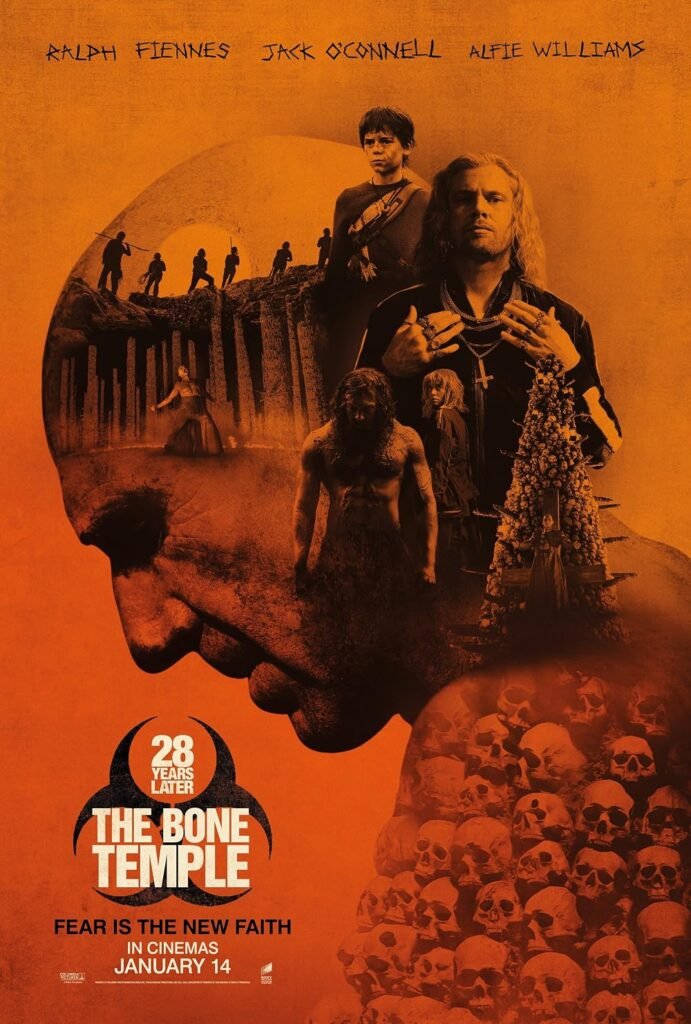
Director: Nia DaCosta
Written by: Alex Garland
Starring: Ralph Fiennes, Jack O’Connell, Alfie Williams
Genre: Post-Apocalyptic Horror
The 28 Years Later universe continues with The Bone Temple, directed by Nia DaCosta.
This chapter expands the world created by Danny Boyle and Alex Garland while taking the story in a different direction. Sony describes the movie as a continuation in which Dr. Kelson, played by Ralph Fiennes, makes a discovery that could change the future, while Spike becomes entangled with Jimmy Crystal.
One of the more interesting aspects of The Bone Temple is that the infected aren’t necessarily the only source of danger. The movie continues the franchise’s interest in what happens to humanity when normal social structures collapse.
DaCosta also brings a different visual and tonal approach to the series. The result feels less like a simple repeat of the previous movies and more like an attempt to expand the world.
Why it ranks #7
It may not be the most straightforward zombie movie of the year, but it gives the franchise more room to explore its characters and its post-apocalyptic world.
Best for: Fans of the 28 Days Later franchise and post-apocalyptic horror.
#8. Faces of Death
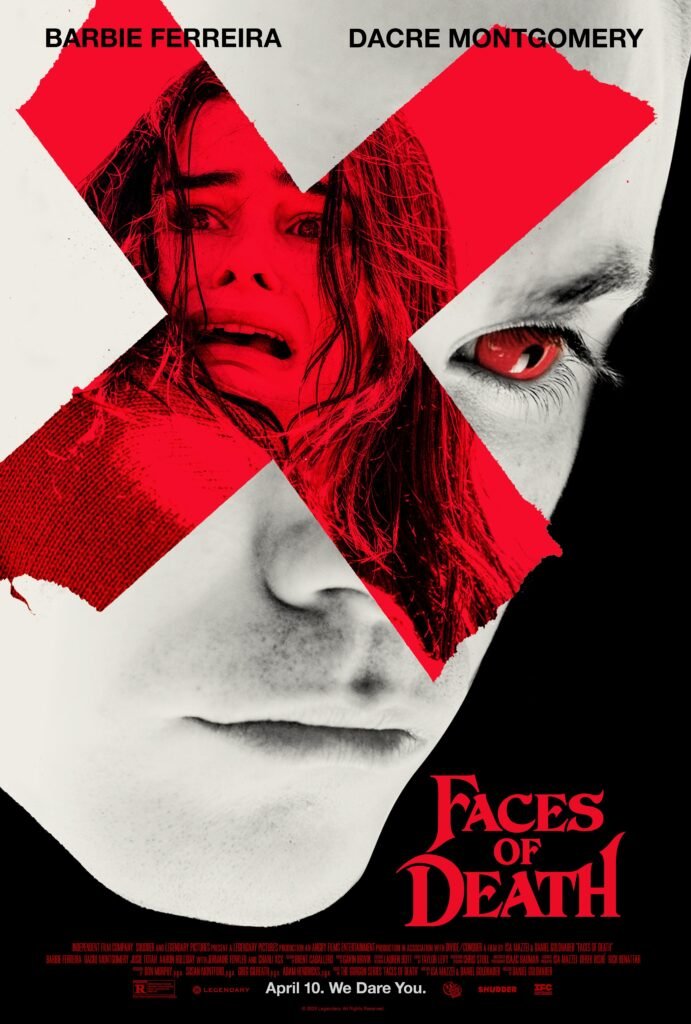
Director: Daniel Goldhaber
Starring: Barbie Ferreira, Dacre Montgomery
Genre: Slasher / Psychological Horror
The new Faces of Death takes the controversial title in a new direction.
Barbie Ferreira plays Margot Romero, a content moderator dealing with the aftermath of a viral tragedy, while Dacre Montgomery plays Arthur Spevak, a killer fascinated with the notorious Faces of Death legacy. The film was directed by Daniel Goldhaber and written by Goldhaber and Isa Mazzei.
The interesting part isn’t simply the violence.
The movie connects horror with internet culture, viral content, sensationalism, and the strange relationship people have with disturbing material online. That gives it a more contemporary identity than simply recreating the original film’s shock value.
At the same time, it remains a dark and uncomfortable horror movie, so it isn’t necessarily aimed at casual viewers.
Why it ranks #8
Its strongest quality is the subject matter. The film takes an old horror title and uses it to examine a very modern obsession with disturbing online content.
Best for: Fans of darker psychological horror and disturbing internet-themed stories.
#9. Mārama

Director: Taratoa Stappard
Starring: Ariāna Osborne, Toby Stephens, Umi Myers
Genre: Gothic Horror, Mystery, Drama
Runtime: 89 minutes
Mārama takes a slower and more atmospheric approach to horror.
Set in 1859, the film follows Mary, a young Māori woman who travels from New Zealand to North Yorkshire. She becomes a governess while living among objects connected to her ancestors and gradually uncovers disturbing secrets surrounding the household.
The movie’s gothic setting gives it an immediate visual identity, but its cultural perspective is what makes it particularly distinctive.
Rather than treating the period setting simply as decoration, Mārama connects its supernatural story with identity, memory, colonialism, and stolen heritage.
The horror is therefore less dependent on constant shocks. The atmosphere gradually becomes more oppressive as Mary’s understanding of the house and the people around her changes.
Why it ranks #9
Mārama rewards patience. It’s a strong choice for viewers who prefer gothic atmosphere and thematic storytelling over nonstop scares.
Best for: Fans of slow-burn gothic horror and atmospheric period films.
#10. Exit 8
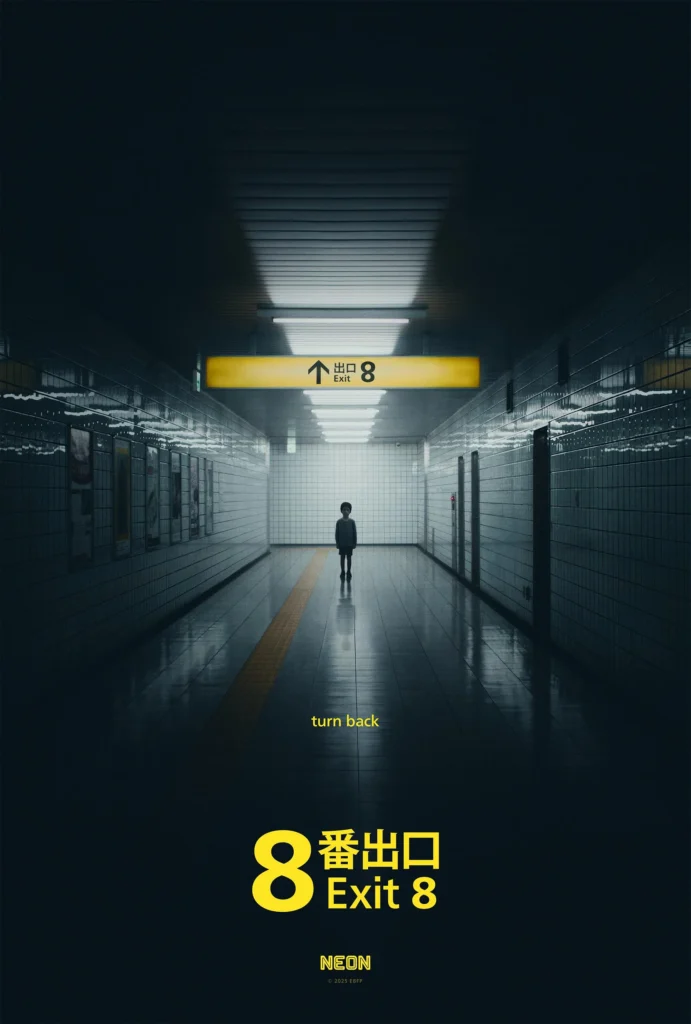
Director: Genki Kawamura
Starring: Kazunari Ninomiya, Yamato Kōchi
Genre: Psychological Horror / Thriller
Exit 8 takes a deceptively simple video-game concept and turns it into a psychological nightmare.
A man becomes trapped inside a subway station and discovers that escaping requires him to identify subtle anomalies in the environment. If he misses something or makes the wrong choice, he is sent back into the loop.
The film was directed by Genki Kawamura and stars Kazunari Ninomiya and Yamato Kōchi. Entract Films lists an April 10, 2026 release date.
The concept works because it makes the audience pay attention to tiny details. A corridor may look exactly the same as it did moments earlier, but one small change can completely alter what happens next.
That creates a very different kind of horror. Instead of asking “What’s going to jump out?”, Exit 8 asks, “What changed?”
Why it ranks #10
Its repetitive structure won’t appeal to everyone, but the concept is clever and the atmosphere becomes increasingly uncomfortable as the loop continues.
Best for: Fans of psychological thrillers, surreal horror, video-game adaptations, and mystery.
Which 2026 Horror Movie Should You Watch?
There isn’t one type of horror movie dominating 2026. That’s arguably the most interesting thing about this year’s lineup.
If you want psychological and supernatural horror, start with Obsession.
If atmosphere and unsettling environments are more important to you, Backrooms is the obvious choice.
For traditional haunted-house horror, Hokum is worth checking out.
If you want something completely different, Touch Me takes horror into much stranger territory.
Fans of action should look toward They Will Kill You, while viewers who prefer emotional and thematic horror may connect more with Leviticus.
For franchise horror, 28 Years Later: The Bone Temple continues the post-apocalyptic story in a new direction.
And if you’re tired of predictable horror formulas, Mārama and Exit 8 offer two very different approaches to atmosphere and psychological tension.
Final Thoughts
The strongest thing about horror in 2026 isn’t simply the number of movies being released. It’s the range of ideas behind them.
We’re seeing filmmakers take familiar concepts and approach them from different angles: an ordinary wish becomes dangerous in Obsession, empty architecture becomes terrifying in Backrooms, a subway becomes a psychological trap in Exit 8, and gothic horror becomes a vehicle for cultural memory in Mārama.
That variety makes 2026 an interesting year for horror fans. Whether you prefer supernatural scares, disturbing psychological stories, monsters, cults, zombies, or slow-burn atmosphere, there’s something here worth exploring.