How Much Coffee Is Too Much? Heart Experts Say 400 mg
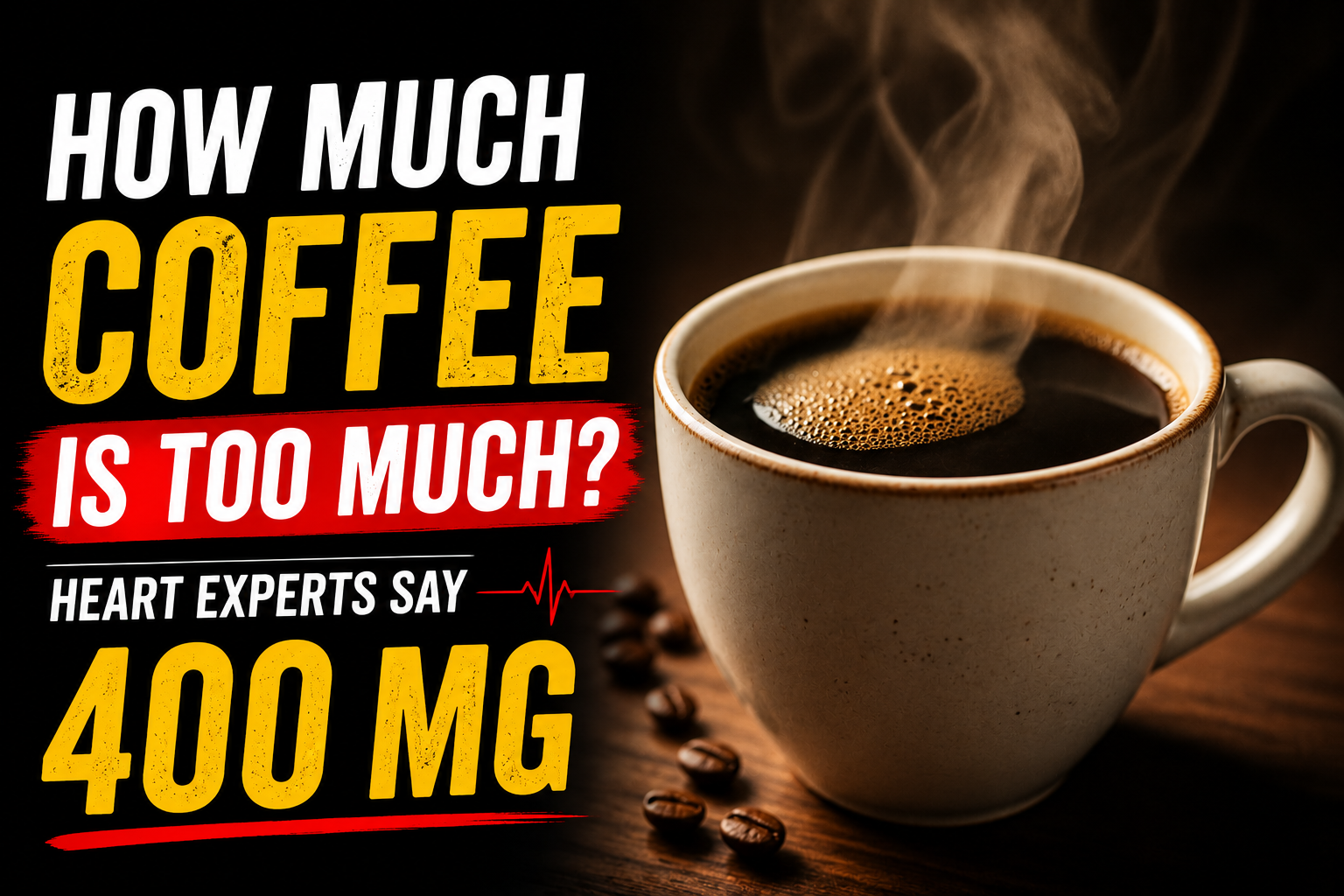
If you’re a regular coffee drinker, the new American Heart Association guidance should ease your mind: 400 mg caffeine a day is generally considered safe for heart health for most people. That amount equals roughly five 8-ounce cups of brewed caffeinated coffee, and the AHA’s review suggests moderate habitual consumption is unlikely to raise cardiovascular risk and may even be protective for some individuals.
400 mg caffeine: what the AHA found

Researchers with the AHA reviewed recent evidence on coffee and caffeine’s links to stroke, coronary artery disease, arrhythmia and other cardiovascular outcomes. Their overall conclusion: staying at or below the 400 mg caffeine daily threshold aligns with a low-risk profile for the average person.
The statement emphasizes that for the majority who enjoy caffeinated coffee or tea in moderation, these beverages almost certainly do not increase heart disease risk and may confer benefits, such as lower risks for type 2 diabetes, atrial fibrillation, heart attack and stroke.
How much coffee is too much?
For most people, consuming up to about five standard 8-ounce cups of caffeinated coffee per day falls within the AHA’s recommended limit. That answers the common question of how much coffee is too much for typical daily habits: exceed the 400 mg mark and potential harms become more likely.
However, individual responses vary. Some people are more sensitive to caffeine’s effects on sleep, anxiety and heart rhythm, so personal tolerance should guide intake as well.
Nuances in the data
Not every study lines up perfectly. Some research suggests drinking one to three cups daily may raise blood pressure slightly in people with normal levels, while higher habitual consumption in other studies was associated with lower blood pressure over time. These mixed findings point to complex interactions between caffeine, other coffee compounds, and individual physiology.
Another nuance involves cafestol, a compound present in unfiltered coffee (both caffeinated and decaf) that has been linked to higher LDL cholesterol. So brewing method matters when thinking about coffee and heart health.
Benefits beyond the caffeine
Many of coffee’s observed health benefits may come from noncaffeine compounds. Antioxidants and other bioactive substances in coffee could explain links to reduced risk for type 2 diabetes and certain cardiovascular outcomes. In short, the advantages of caffeinated coffee may not be solely due to caffeine itself.
Risks when you exceed the daily caffeine limit
Going past the safe caffeine limit raises more clear-cut concerns. Higher caffeine intake has been associated with increased blood pressure and a greater likelihood of irregular heart rhythms in some studies.
One specific worry is that caffeinated products might increase premature ventricular contractions (PVCs), extra beats originating in the heart’s lower chambers. Frequent PVCs could, in some cases, contribute to long-term heart muscle problems and raise heart failure risk.
Energy drinks risks
It’s relatively hard to hit 400 mg caffeine using only regular brewed coffee, but energy drinks, shots and some specialty beverages can push you well beyond that threshold quickly. These products often contain very high caffeine levels plus other stimulants, and they haven’t been studied as thoroughly as naturally caffeinated drinks like coffee and tea.
- Energy drinks have been linked to adverse cardiovascular events in otherwise healthy people.
- There have been reported heart-related deaths tied to highly caffeinated commercial drinks, illustrating the potential danger of concentrated caffeine sources.
Caffeine and blood pressure, arrhythmia concerns
The AHA panel notes that higher caffeine intake is associated with increased risk for high blood pressure and certain arrhythmias. If you already have hypertension or a known rhythm disorder, it’s prudent to discuss caffeine intake with your clinician.
Even in people without diagnosed heart disease, monitoring how caffeine affects sleep and palpitations can help determine whether cutting back is warranted.
Putting the guidance into practice
For most Americans—many of whom likely consume well under 200 mg of caffeine daily—current habits are probably safe from a cardiovascular standpoint. Still, be mindful of where your caffeine comes from and how much you consume.
- Prefer brewed or filtered coffee over unfiltered styles if you’re concerned about cafestol and cholesterol.
- Limit or avoid energy drinks and concentrated caffeine shots.
- If you notice increased heart palpitations, blood pressure changes, or sleep disruption, reduce intake and consult a healthcare provider.
The bottom line from the AHA coffee guidance: moderate caffeinated coffee consumption can be part of a healthy lifestyle for most people, but staying within the daily caffeine limit and avoiding high-dose products is key to minimizing risks.