Intermittent Fasting Benefits: A Practical Guide to Health, Weight Loss, and Wellness
Why intermittent fasting benefits are attracting so much attention
Intermittent fasting benefits are widely discussed because many people report easier weight management, improved metabolic markers, and clearer mental focus. Unlike fad diets, intermittent fasting (IF) focuses on when you eat rather than strictly what you eat. That makes it easier for some people to adapt and stick with long-term changes.
What is intermittent fasting?
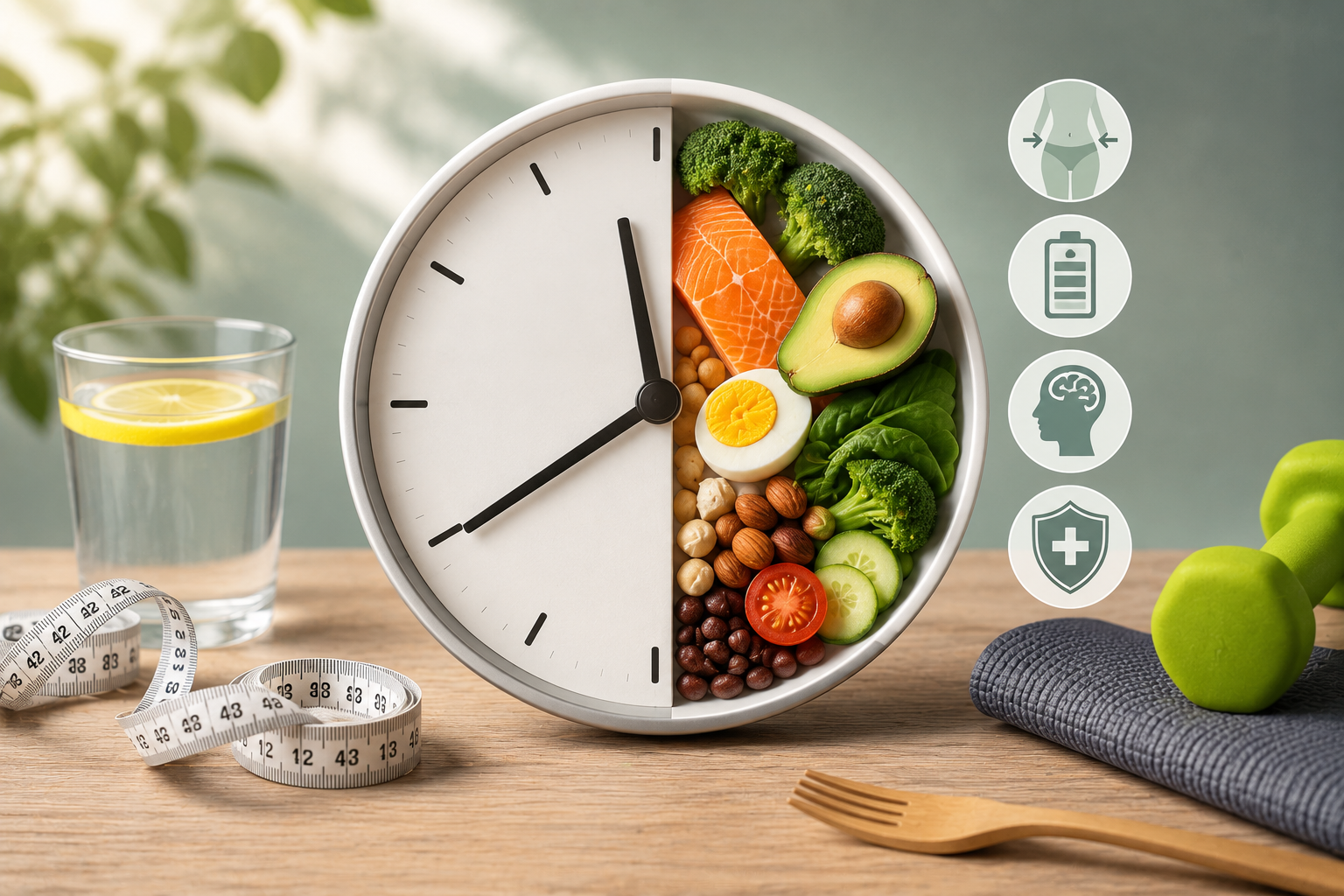
Intermittent fasting describes eating patterns that cycle between periods of eating and fasting. Common approaches include time-restricted eating (like 16:8), alternate-day fasting, and 5:2 fasting. The goal is to create windows where your body uses stored energy and activates cellular repair processes.
Key intermittent fasting benefits backed by research
Scientific studies and clinical reviews point to several recurring benefits of intermittent fasting when practiced safely and combined with a healthy diet:
- Weight loss and fat loss: IF can reduce calorie intake and improve body composition by promoting fat loss while preserving lean mass when combined with regular protein intake and resistance exercise.
- Improved insulin sensitivity: Many trials report better blood sugar control and reduced fasting insulin, which helps lower type 2 diabetes risk.
- Metabolic health: Fasting periods can improve markers like triglycerides, LDL cholesterol, and blood pressure in some individuals.
- Cellular repair and autophagy: Longer fasting windows may stimulate autophagy, the cellular cleanup process linked to aging and disease resilience.
- Cognitive clarity and mood: Some people report improved concentration and stable mood due to steadier energy availability and reduced blood sugar swings.
For a comprehensive review of the evidence on intermittent fasting, see a detailed analysis published on PubMed Central: https://www.ncbi.nlm.nih.gov/pmc/articles/PMC5959807/ and a practical overview by the Mayo Clinic: https://www.mayoclinic.org/healthy-lifestyle/weight-loss/in-depth/intermittent-fasting/art-20441303.
How to start: safe IF schedules and practical tips
Start gently and choose an approach that fits your lifestyle. The focus keyword helps remind readers that the benefits come from consistent practice:
- 16:8 time-restricted eating: Fast for 16 hours and eat during an 8-hour window—often the simplest beginner method.
- 14:10 method: Easier entry: a 14-hour fast with a 10-hour eating window.
- 5:2 approach: Eat normally five days a week and restrict calories on two nonconsecutive days.
- Alternate-day or prolonged fasts: Only attempt under medical supervision; these are advanced strategies.
General tips:
- Stay hydrated during fasting windows—water, herbal tea, and black coffee are fine for most people.
- Prioritize protein and vegetables during eating windows to preserve muscle and nutrient intake.
- Pair IF with regular exercise, especially resistance training, for best body composition results.
- Consult your healthcare provider if you have diabetes, are pregnant, breastfeeding, or take medications.
Common questions and quick answers
Will intermittent fasting benefits include permanent weight loss?
IF can help create a sustainable calorie deficit and improved metabolic health, which supports long-term weight control when combined with healthy eating habits and activity. Results vary by individual.
Does intermittent fasting improve longevity?
Animal studies suggest lifespan benefits from fasting and caloric restriction. In humans, early research shows promising cellular and metabolic changes, but long-term evidence is still emerging.
Can women try intermittent fasting?
Yes, but women may be more sensitive to fasting. Start with shorter fasts (12–14 hours), monitor menstrual cycles and energy, and stop if you notice disturbances. Discuss with a clinician if in doubt.
FAQ
Is intermittent fasting safe?
For most healthy adults, intermittent fasting is safe when done sensibly. People with chronic conditions, pregnant or breastfeeding women, and those with a history of eating disorders should avoid or consult a healthcare professional first. Trusted resources like the Mayo Clinic provide practical safety guidance: https://www.mayoclinic.org/.
What can I drink while fasting?
Water, sparkling water, plain tea, and black coffee are generally fine. Avoid caloric beverages, which break the fast and can trigger hunger.
How quickly will I see benefits?
Some people notice improved energy or appetite control in days to weeks; measurable metabolic changes and weight loss may take several weeks to months. Consistency matters most.
Will I lose muscle on intermittent fasting?
Maintaining protein intake and doing resistance exercise reduces muscle loss risk. Shorter fasting windows are less likely to affect muscle mass negatively.
Conclusion
Intermittent fasting benefits are broad—ranging from weight management and improved metabolic markers to potential cellular repair and cognitive gains. The best results come from choosing a fasting schedule that fits your life, prioritizing nutrient-dense foods, staying active, and consulting a healthcare professional when necessary. For more on diet plans and exercise routines that pair well with IF, see our weight loss and fitness guides.
References: PubMed Central review on intermittent fasting: https://www.ncbi.nlm.nih.gov/pmc/articles/PMC5959807/; Mayo Clinic overview: https://www.mayoclinic.org/healthy-lifestyle/weight-loss/in-depth/intermittent-fasting/art-20441303.