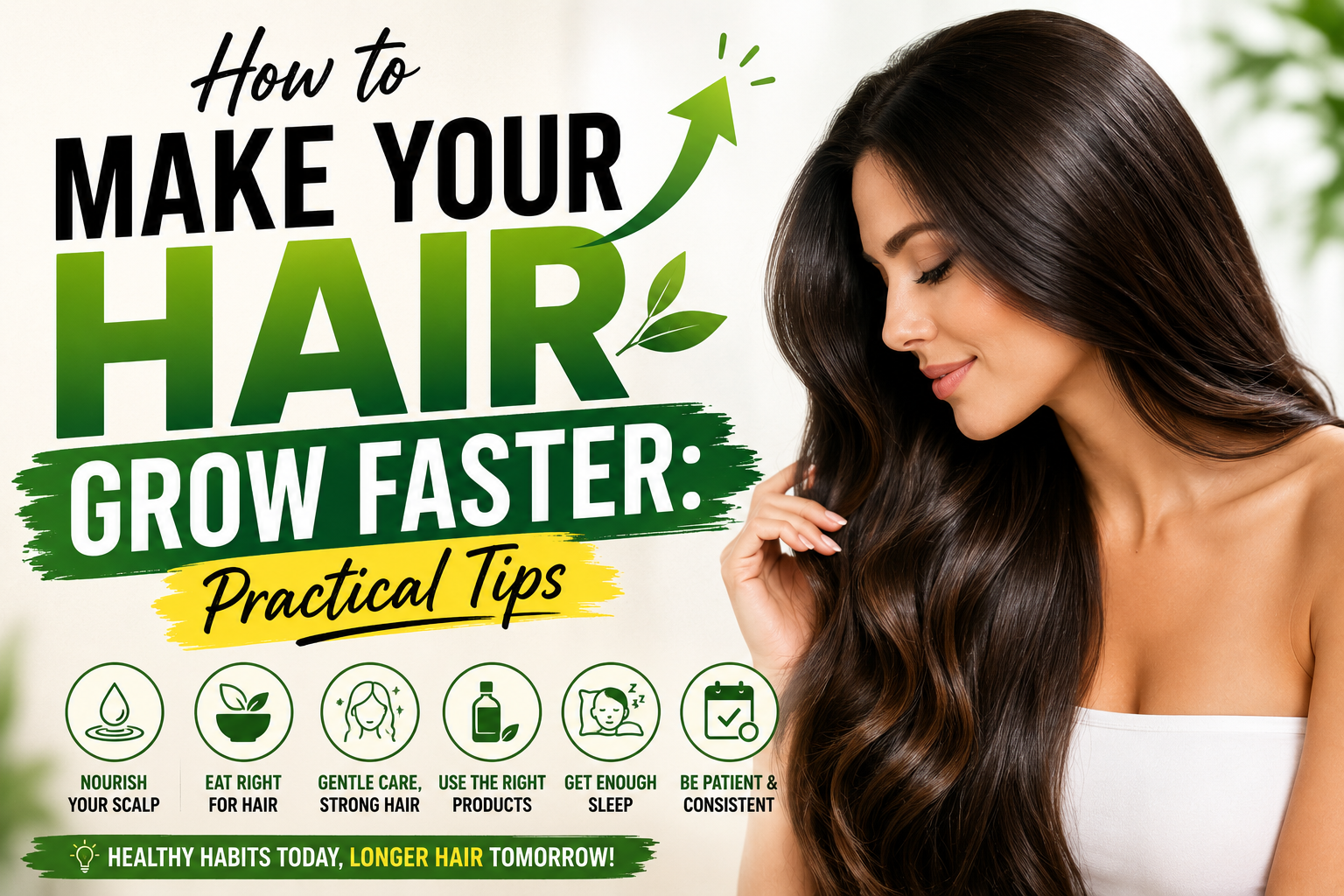
How to Make Your Hair Grow Faster: Practical Tips
Introduction
There’s no instant fix for hair growth, but small, consistent habits can help your hair become healthier and grow more efficiently. This guide explains what influences growth, which daily choices matter most, and practical steps you can take to reduce breakage and support stronger strands. Whether you want to know how to grow hair faster or simply keep the hair you have healthy, the tips below focus on nutrition, scalp care, gentle styling, and evidence-backed treatments so you can make steady progress without damaging your hair.
How Hair Grows: The Basics
Hair develops from follicles beneath the skin. Each follicle contains a root where cells divide and form the hair shaft; blood flow delivers oxygen and nutrients that feed this process. As new cells push older ones up, the visible strand emerges and passes by an oil gland that coats hair with sebum, helping it stay smooth and flexible.
Hair follows a cycle of growth (anagen), transition (catagen), and rest (telogen). The length of the anagen phase determines how long hair can grow; genetics largely set this timeline. It’s normal to shed about 50–100 hairs a day, and aging or hormonal shifts can change growth speed and density over time.
Common Causes of Slow Growth and Excessive Shedding
Several factors can slow growth or increase shedding. Nutrient deficiencies—especially low iron, protein, or certain vitamins—can push more follicles into the resting phase. Rapid weight loss and restrictive diets often trigger temporary shedding known as telogen effluvium.
Other causes include hormonal imbalances, autoimmune conditions, medications, and genetics. External damage from heat styling, chemical treatments, or tight hairstyles can break hair faster than it grows, making overall length appear stagnant. Chronic stress also impacts the hair cycle, while scalp conditions like inflammation reduce follicle health and can accelerate thinning.
Diet and Nutrition for Optimal Hair Growth
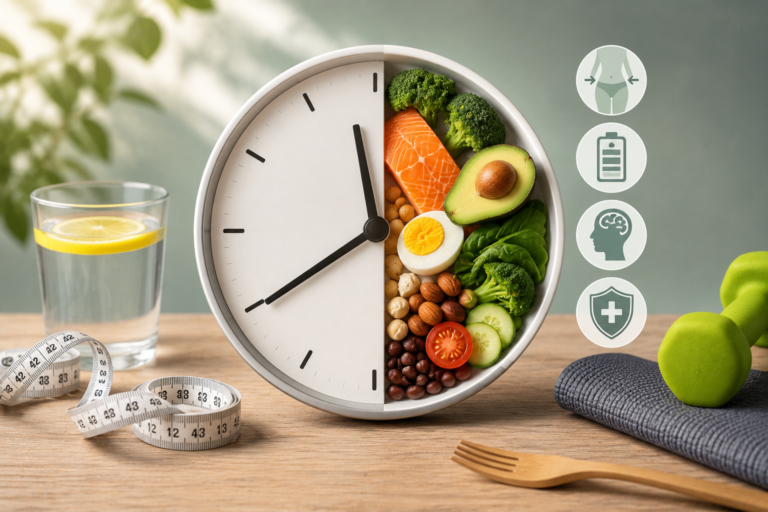
What you eat has a direct effect on how well hair grows. Aim for a balanced, nutrient-dense diet that includes sufficient calories and a steady supply of protein for building keratin—the primary protein in hair. Many adults benefit from about 50 grams or more of protein per day, depending on body size and activity level.
Key nutrients that support strong hair include iron, zinc, biotin, vitamin D, vitamin A, vitamin E, folate, and essential fatty acids (omega-3s). Lean meats, fish, eggs, legumes, nuts, seeds, leafy greens, and whole grains are good sources. If you follow a vegetarian or restrictive diet, plan meals carefully to avoid shortages that could trigger shedding.
Hydration matters too—drink water regularly and include foods rich in healthy fats to keep hair supple. Avoid extreme calorie restriction; sudden weight loss often leads to noticeable shedding that can take months to recover from even after diet normalizes.
Supplements and Topical Ingredients to Consider
Supplements can help when diet alone isn’t enough, but talk with a clinician before starting anything new. Iron supplements may be appropriate for diagnosed deficiency. Biotin is popular, though benefits are most clear for people with low biotin levels. Omega-3 supplements have some evidence for reducing hair loss in pattern thinning.
Topical ingredients also offer options: minoxidil for hair is an FDA-approved OTC treatment that can slow loss and promote regrowth for some users. Caffeine-infused shampoos, botanical extracts, and certain essential oils for hair—like rosemary or peppermint—have preliminary support for improving scalp condition. Antioxidant-containing formulas can help protect the scalp barrier and reduce inflammation that harms follicles.
Scalp Care and Clinical Treatments (Massage, PRP, Minoxidil)
Healthy scalp care is essential for faster, stronger growth. Regular scalp massage can boost circulation and relieve stress; brief daily massages have been linked to thicker hair in small studies. Use gentle techniques or a soft brush to avoid tugging.
For medical approaches, PRP hair treatment involves injecting concentrated platelets from your own blood into the scalp to stimulate follicles; some studies and clinicians report good results with a course of treatments. Minoxidil is another widely used option—applied topically, it may take months to show effect and often requires ongoing use to maintain gains.
Finally, protect hair from damage: use heat protection for hair when styling, limit high-heat tools, and avoid frequent harsh chemical treatments. Combining at-home care with professional evaluation can help you choose the right mix of measures for your goals.
Daily Hair-Care Habits to Reduce Breakage
Supporting hair growth starts with gentle, consistent care at home. Small daily habits can cut breakage and help strands reach their full length.
Wash on a schedule that matches your scalp type—every 2–3 days for most people—using a mild shampoo and a moisturizing conditioner. Focus conditioner on the mid-lengths and ends, not the roots. Rinse thoroughly to avoid product buildup that can stress follicles.
- Detangle with a wide-tooth comb or your fingers when hair is damp and conditioned; avoid aggressive brushing on wet hair.
- Pat hair dry with a microfiber towel or an old T‑shirt instead of rubbing to reduce friction.
- Use leave-in conditioners or oils (including essential oils for hair mixed into a carrier) to lock in moisture and protect ends.
- Limit chemical processing and space out color treatments to reduce cumulative damage.
- Always apply a heat protectant for hair before any heated styling and lower tool temperatures to minimize breakage.
Make sure your diet supplies adequate protein for hair growth and consider a multivitamin if you’re deficient in iron, vitamin D, or other nutrients linked to hair health.
Styling Choices and Protective Hairstyles
Your styling routine can either protect hair or accelerate breakage. Choose low-tension styles and rotate them so the same areas aren’t constantly stressed.
- Opt for loose buns, soft braids, and twist-outs rather than tight ponytails or cornrows that pull at the roots.
- Use fabric-covered elastics and silk scrunchies to prevent snagging and breakage.
- Minimize daily heat styling; when you do use heat, employ heat protection for hair and the lowest effective setting.
Protective hairstyles help retain length by reducing manipulation, which is one of the most effective ways to reduce hair breakage.
Lifestyle Factors: Sleep, Stress, and Exercise
Sleep, stress management, and regular movement all influence how well your hair grows. Aim for 7–9 hours of sleep per night to support overall repair and hormonal balance.
Chronic stress can trigger telogen effluvium, a temporary but notable increase in shedding. Incorporate stress-reduction practices like meditation, journaling, or short daily walks to lower the risk of stress-related hair loss.
Exercise boosts circulation, delivering oxygen and nutrients to the scalp. Combined with a nutrient-dense diet that includes sufficient protein for hair growth and supplements when needed, these lifestyle habits create a stronger foundation for healthier hair.
When to See a Doctor and Medical Treatment Options for Hair Growth
If you notice sudden, heavy shedding, patchy bald spots, or thinning that affects your confidence, consult a healthcare professional. A doctor can check for underlying causes such as iron deficiency, thyroid problems, hormonal imbalances, or autoimmune conditions.
Treatment options include:
- Topical minoxidil for hair — an over-the-counter option that can slow loss and encourage regrowth for some people; expect months to see results and ongoing use to maintain improvements.
- PRP hair treatment — platelet-rich plasma injections use your own blood’s growth factors; many clinicians recommend an initial series of monthly sessions followed by maintenance treatments.
- Prescription medications or hormonal therapies when appropriate, and referral for hair transplantation in lasting, advanced cases.
Labs and a clinical exam help tailor the plan—addressing nutrient deficiencies or medical causes often improves outcomes more than cosmetic measures alone.
Quick Tips and Takeaway Summary
- Eat a nutrient-rich diet with enough protein and vitamins for hair growth.
- Reduce hair breakage by limiting heat, using heat protection for hair, and choosing low-tension styles.
- Practice scalp massage and stress management to support scalp health.
- See a doctor for sudden or severe hair loss to explore minoxidil, PRP hair treatment, and medical causes.
There’s no instant fix, but consistent, gentle care plus medical guidance when needed will give you the best chance of healthier, faster-growing hair.