Migraine Treatments: Acute Relief and Prevention Guide
Migraine treatments: acute and preventive options
Key takeaways
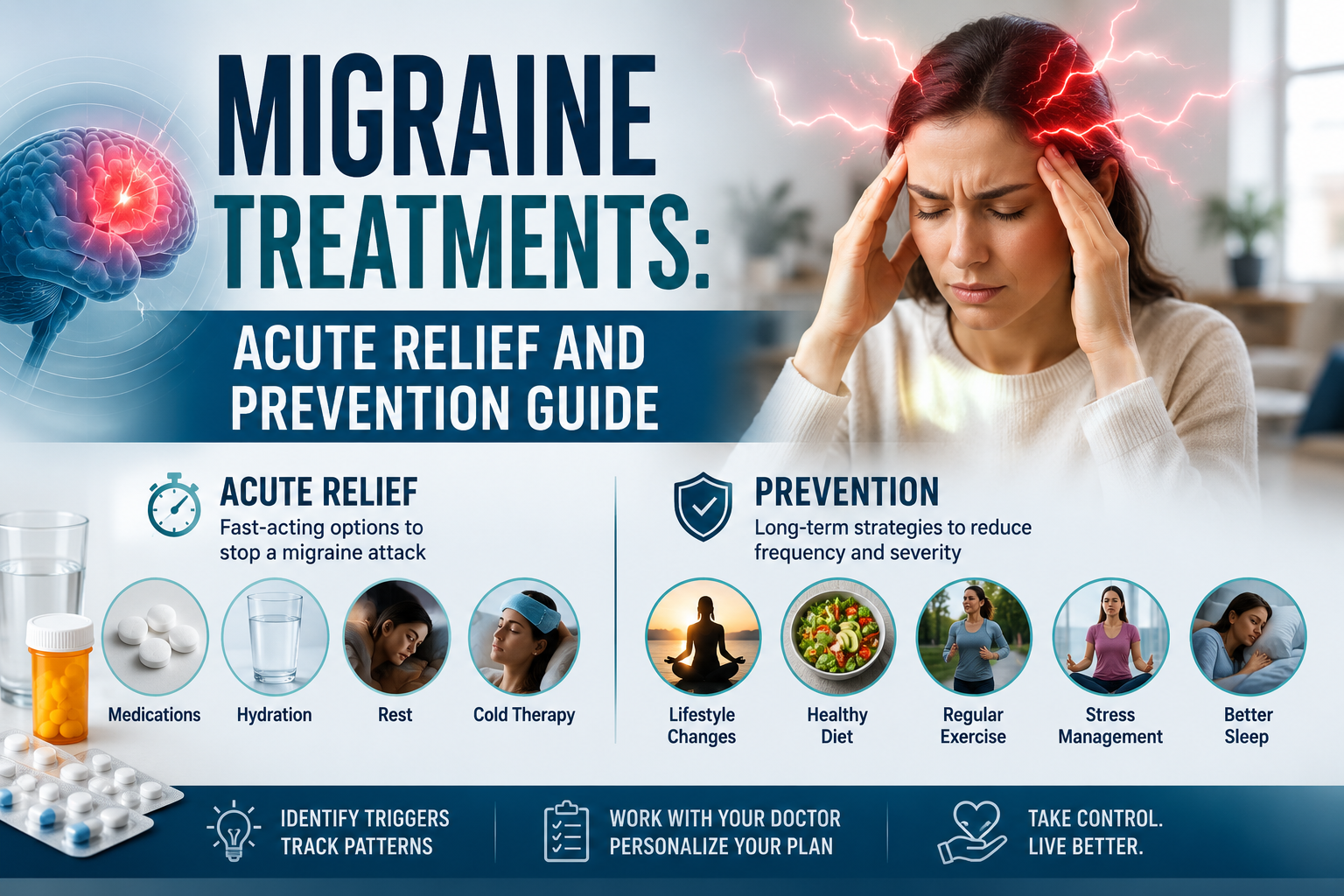
- Migraine treatments fall into two main groups: acute options to stop pain quickly, and preventive strategies to reduce the frequency and severity of attacks.
- Acute migraine treatment works best when taken at the first sign of an attack. Options range from OTC migraine relief to prescription drugs such as triptans and CGRP medications.
- Preventive migraine treatments include lifestyle changes, certain medications, Botox for migraine, and devices like neurostimulation for migraine.
Migraine affects more people now than decades ago, with over a billion people worldwide experiencing migraine each year. Choosing the right migraine treatments—both for stopping attacks and preventing them—can meaningfully reduce episodes and the pain they bring.
Acute migraine treatment: treat early for best results
Acute treatments are intended to stop a migraine once it begins or to reduce its severity. They work best when taken as early as possible after symptoms start.
Over-the-counter options
Many people begin with OTC migraine relief because these drugs are accessible and generally well tolerated. Common choices include:
- Ibuprofen
- Acetaminophen
- Aspirin
Be careful not to use these medications too frequently, as overuse can cause rebound headaches and other side effects.
Prescription acute medications
When OTC medications are insufficient, a healthcare professional may prescribe stronger options. Triptans for migraine are a common class of acute drugs. Sumatriptan and rizatriptan are widely used and can be taken as pills, nasal sprays, or injections. Typical side effects include nausea, dizziness, and fatigue; serious reactions such as chest discomfort are rare but possible.
Dihydroergotamine and ergotamine have been used for migraine and can be effective, though they are prescribed less often in some regions. Calcitonin gene-related peptide (CGRP) receptor antagonists are another option for acute attacks.
Migraine sometimes causes severe nausea or vomiting. In these cases, anti-nausea medications such as metoclopramide or chlorpromazine can be helpful. Opioids are occasionally used for severe pain but are generally discouraged because of limited benefit and risk of dependence.
Non-medication acute approaches
Simple self-care can ease symptoms during an attack. Strategies include:
- Resting in a dark, quiet room to reduce sensory triggers.
- Avoiding bright or flashing lights, which commonly worsen migraine.
- Applying cold packs or warm compresses to the head, face, or neck depending on what feels better.
- Practicing relaxation techniques—deep breathing, meditation, or gentle yoga—to reduce tension and stress.
- Trying biofeedback, which trains you to control physiological responses like heart rate and muscle tension.
Devices for acute use
Prescription neurostimulation for migraine, such as transcutaneous nerve stimulators, provides a nonpharmaceutical acute option. Devices like Cefaly and GammaCore stimulate specific nerves to reduce pain. These require a prescription and may not be covered by insurance, but some people find them useful either alone or in combination with medications.
Preventive migraine treatments and lifestyle changes
Preventive migraine treatments aim to reduce attack frequency, shorten duration, and lessen pain intensity. For many people, a combination of lifestyle measures and medical options works best.
Lifestyle and diet
Identifying and avoiding personal triggers is a cornerstone of prevention. Keeping a headache diary can reveal patterns and make trigger avoidance simpler.
Regular exercise, consistent sleep, and stress management are important. Dietary changes—sometimes called a migraine prevention diet—can help. Common dietary triggers include alcohol, caffeine (in excess or withdrawal), aged cheeses, processed meats, artificial sweeteners, and foods containing MSG.
Hydration matters. Some people find relief with certain beverages like green or mint tea, though individual responses vary. For many women, menstrual migraine follows a predictable pattern in the days before or during menstruation; self-care measures such as using heating pads, moderating alcohol, and addressing sleep and stress can help. Some people also use magnesium supplements for cramps and sleep, which may ease menstrual-related symptoms, but discuss supplements with your clinician first.
Medications for prevention
Several prescription options are used for preventive migraine treatments. Certain antidepressants, including amitriptyline and venlafaxine, can reduce migraine frequency; improvement may become noticeable after about four weeks. Like all drugs, they can cause side effects such as dry mouth, constipation, or appetite changes.
Another class involves CGRP-targeted therapies. These newer medications—given as injections or infusions—are designed specifically to prevent migraine by blocking the calcitonin gene-related peptide pathway involved in migraine attacks. Your healthcare provider can advise whether these are appropriate for you.
Botox and other procedures
Botox for migraine is an FDA-approved preventive treatment for chronic migraine. Injections are usually given every three months, and it can take several weeks to see benefit. Studies show Botox can reduce the number of monthly migraine days and ease pain severity for some people. Side effects can include muscle weakness, neck pain, or localized effects near the injection site, so it’s important to receive injections from a trained clinician.
Other options
Neurostimulation devices are also being used as preventive tools in some cases. These nonpharmaceutical options may suit people who prefer to avoid daily medication.
The takeaway
If migraine interferes with your quality of life, there are many migraine treatments to discuss with your healthcare professional. Acute options—from OTC migraine relief to triptans and anti-nausea medications—are useful when attacks begin. Preventive migraine treatments, including lifestyle changes, medications, Botox for migraine, and neurostimulation for migraine, can reduce how often attacks occur and how severe they are. Stay informed and work with your clinician to tailor a plan that fits your needs.