Netflix May Add Live Channels to Boost Engagement
Netflix live channels are now under active consideration as the company wrestles with sagging watch time and shifting viewer habits. For years Netflix argued that binge-worthy originals and a clean, simple interface were enough to stay ahead; that approach built the world’s largest streaming service, but executives are increasingly focused on engagement rather than just subscriber counts.
Netflix live channels
People familiar with internal discussions told The Wall Street Journal that Netflix has debated launching always-on, linear channels devoted to specific genres or shows. These channels would present a continuous stream of programming in a traditional TV-style format, removing the decision-making friction that sometimes interrupts viewing and aiming to boost overall watch time.
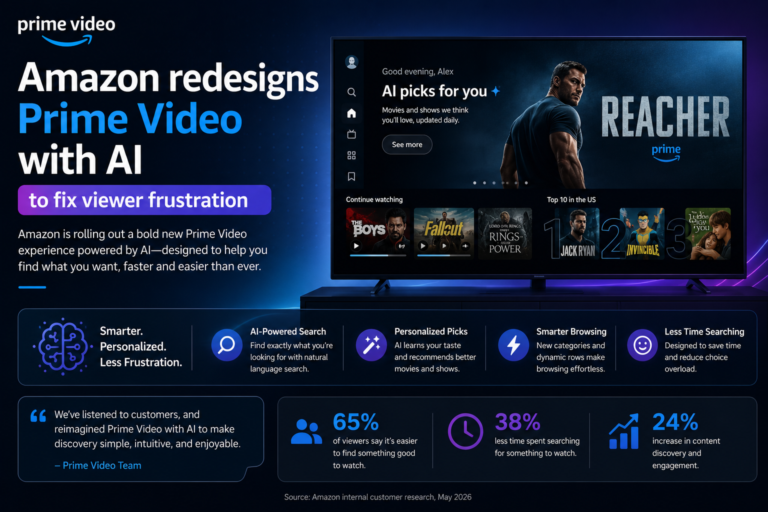
Alongside the idea of streaming live TV, Netflix has explored turning its app into a hub for bundled subscriptions. The proposal would let customers manage third-party services—similar to how Amazon Prime Video and Apple TV sell add-ons—making Netflix a kind of streaming marketplace where users can subscribe to and access multiple services from one interface.
Why the shift matters
This marks a significant change in Netflix strategy. Reed Hastings once pushed a philosophy of simplicity and resisted turning the platform into a cable-like environment. But the competitive landscape has evolved: Disney+, HBO Max, and YouTube all vie for attention, while free, ad-supported services such as Tubi and The Roku Channel are growing by offering linear channels that minimize choice overload.
Netflix has already chipped away at its old stance. The company launched an ad-supported tier and has tested shorter, lower-cost formats like video podcasts and publisher clips. Those moves reflect an attempt to keep pace in the streaming wars by meeting viewers where they are and recapturing lost engagement.
- Watch time decline: Nielsen reported Netflix’s share of U.S. TV viewing fell to 7.8% in April, its lowest since May 2025.
- Investor pressure: Netflix’s stock has dropped more than 40% over the past year, heightening concern about growth in mature markets.
Live programming, partnerships and ads
Netflix has begun testing live content. A partnership with France’s TF1 will bring live programming, including news, to subscribers there, and executives are reportedly exploring similar deals across Europe and Latin America. The company has also discussed selective live sports opportunities, including preliminary conversations about bidding for 2030 and 2034 FIFA World Cup rights.
Live broadcasts make advertising more valuable because they’re watched in real time and can’t be skipped. Netflix generated roughly $1.5 billion in ad revenue last year and has publicly said it expects that figure to double by 2026—an incentive to lean into live formats and linear channels that command higher ad rates.
What this means for viewers and the market
For users, these changes could make Netflix feel less like an on-demand playground and more like a traditional television hub. The move toward bundled subscriptions and always-on channels aims to increase Netflix engagement by reducing the friction of choice and keeping viewers in the app longer.
Whether live channels, bundled services, or sports rights become permanent features remains uncertain. But one point is clear: the platform’s future success will likely depend less on sheer library size and more on holding viewers’ attention in an increasingly noisy streaming marketplace.