OpenAI’s Tiny Robot Companion Could Bring ChatGPT to Life in Your Home
OpenAI appears to be taking its biggest step yet beyond software. According to recent reports, the company is developing a compact AI device designed to act as a personal companion inside the home. Unlike traditional smart speakers, the OpenAI tiny robot companion would focus on natural conversations, environmental awareness, and proactive assistance rather than simply responding to commands.
Although the product is still under development, early details suggest OpenAI wants to create a device that feels more like an intelligent assistant than another voice-controlled gadget.
What Is OpenAI’s Tiny Robot Companion?
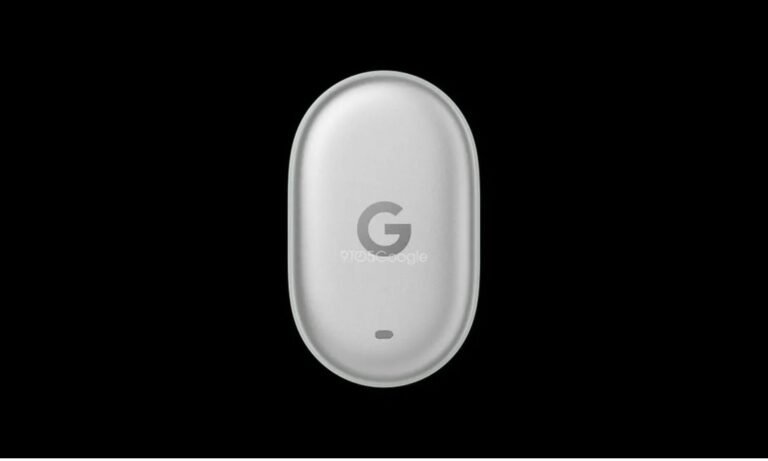
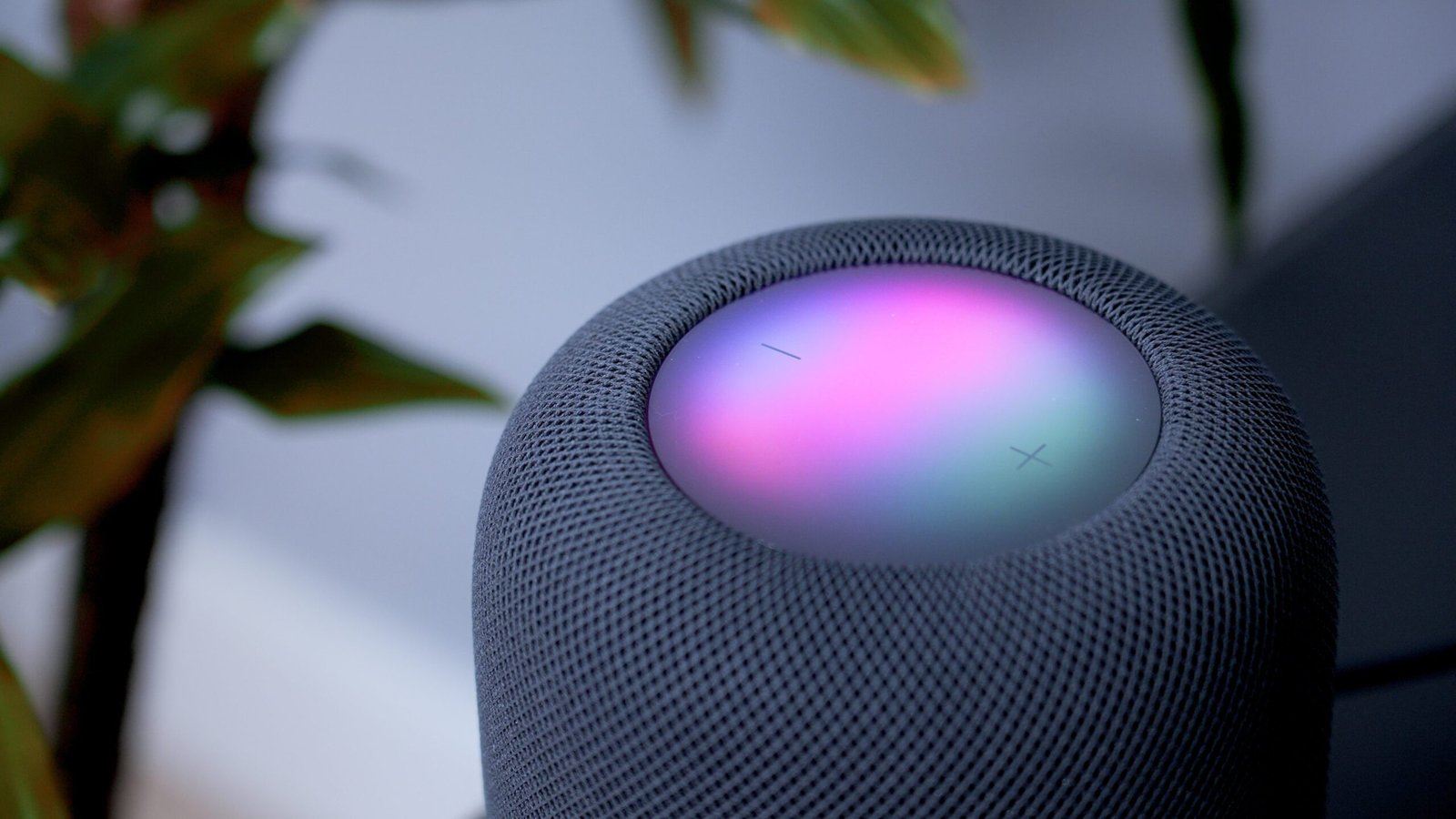
The reported device is expected to be small enough to carry around the house with ease. Its size has been compared to a hockey puck or a doughnut, allowing users to place it on a desk, kitchen counter, or bedside table.
Instead of relying on a display, the device will use voice as its primary interface. Built-in microphones and speakers will allow users to interact with ChatGPT naturally, making conversations feel more fluid than using a smartphone or computer.
Reports also suggest a launch window sometime in 2027, with an estimated price between $300 and $400.
Designed to Understand Its Surroundings
One feature that could set the OpenAI tiny robot companion apart is its ability to understand the environment around it.
The device is expected to include cameras and environmental sensors that help it recognize what is happening nearby. Rather than waiting for users to issue commands, it could respond to situations based on context.
For example, it may control compatible smart home devices, answer questions, play music, or provide reminders throughout the day. By combining environmental awareness with ChatGPT’s conversational abilities, OpenAI hopes to create a more natural AI experience.
This approach reflects a broader trend across the technology industry. Companies are exploring ways to make AI assistants more proactive instead of purely reactive.
A Personalized AI Assistant
Another major goal is personalization.
Over time, the OpenAI tiny robot companion could learn a user’s daily routines, preferences, and habits. That knowledge would allow it to provide more relevant suggestions and conversations without requiring repeated instructions.
Instead of acting like a standard smart speaker, the device could become a long-term digital assistant that adapts to each household.
However, personalization also raises important privacy questions. A device equipped with microphones, cameras, and sensors will need strong privacy controls to earn consumer trust.
Jony Ive’s Design Could Make the Difference
One reason many technology enthusiasts remain optimistic is OpenAI’s partnership with legendary designer Jony Ive and his design firm, LoveFrom.
Ive played a key role in creating many of Apple’s most iconic products, including the iPhone, iPod, and MacBook. His involvement suggests OpenAI is placing significant emphasis on industrial design and user experience.
Reports also indicate the companion device may include subtle movements and lighting effects during conversations. These features could make interactions feel more expressive, giving the AI a personality instead of making it resemble another static smart speaker.
Some early comparisons even liken the concept to fictional robots such as WALL-E or R2-D2, which communicate emotion through movement rather than facial expressions.
Why This Device Matters
If successful, the OpenAI tiny robot companion could represent a major shift in how people interact with artificial intelligence.
Today, most users access ChatGPT through a web browser or mobile app. A dedicated AI companion could make those interactions more immediate by keeping ChatGPT available throughout the day without requiring a screen.
The concept also aligns with growing interest in AI-first hardware, where voice, context, and automation replace traditional touch-based interfaces.
Potential Advantages and Challenges
The reported device offers several promising ideas.
Potential Advantages
- Hands-free access to ChatGPT anywhere in the home.
- Environmental awareness through cameras and sensors.
- Personalized conversations based on daily habits.
- Smart home integration with voice controls.
- A compact and portable design.
Possible Challenges
- Privacy concerns surrounding always-on microphones and cameras.
- A projected price of $300–400 may discourage some buyers.
- Real-world usefulness remains unproven until launch.
- Consumer acceptance of an AI companion is still uncertain.
Final Thoughts
The OpenAI tiny robot companion remains an unannounced product, so many details could change before its expected 2027 launch. Even so, the early reports paint an interesting picture of OpenAI’s long-term vision.
Rather than building another smart speaker, the company appears to be creating a device that brings ChatGPT into everyday life through natural conversation, contextual awareness, and personalized assistance.
If OpenAI delivers on those goals while addressing privacy concerns, its first hardware product could become one of the most significant AI devices introduced in the coming years.