RAM Price Increase Hits Apple as Memory Costs Continue to Climb
Understanding the RAM Price Increase
The current RAM price increases are affecting not just individual consumers but also large corporations like Apple. As a result, Apple is facing challenges in securing affordable memory supplies, despite its significant purchasing power. However, the RAM price increase are not just a problem for Apple; they are a symptom of a larger issue in the memory industry.
For instance, the prices of conventional DRAM contract jumped between 93% and 98% in the first quarter of 2026, pushing industry revenue up 81% to $97 billion. This significant increase in prices is largely due to the high demand for memory from various sectors, including the AI industry, which is driving up the prices of DRAM. Furthermore, the limited supply of DRAM is exacerbating the situation, making it difficult for companies like Apple to secure affordable memory supplies.
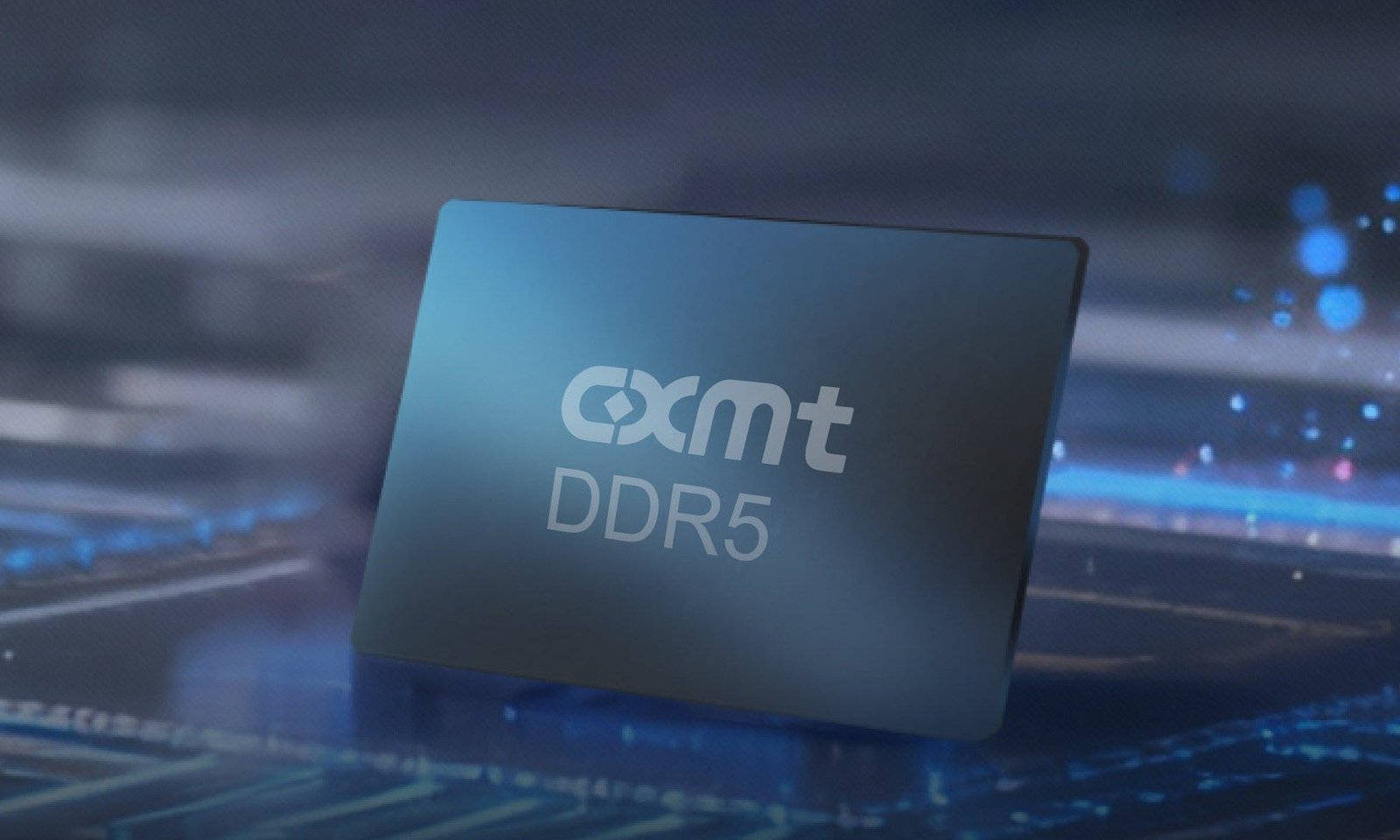
Meanwhile, companies like CXMT are playing a crucial role in the memory industry. CXMT’s growing influence is expected to bring more competition to the market, potentially reducing the dependence on established manufacturers like Samsung, SK Hynix, and Micron. Additionally, CXMT’s expansion into the market could lead to better pricing for consumers. However, this may take some time, as CXMT is still expanding its production capacity.
The Impact of AI on the Memory Industry
The AI industry is having a significant impact on the memory industry, with many companies investing heavily in high-bandwidth memory for AI accelerators. This has led to a surge in demand for memory, driving up prices and making it difficult for companies like Apple to secure affordable supplies. Consequently, the increase in RAM prices are not just a problem for the tech industry; they are also affecting the broader economy.
For example, the high prices of memory are leading to increased costs for companies, which are then passed on to consumers. This can have a ripple effect throughout the economy, leading to higher prices for a wide range of products. Moreover, the limited supply of memory is also affecting the development of new technologies, such as AI and 5G, which rely heavily on high-bandwidth memory.
In addition, the RAM crisis prices are also affecting individual consumers, who are facing higher costs for memory upgrades and new devices. Specifically, the prices of DRAM have increased significantly, making it difficult for consumers to afford memory upgrades or new devices. Therefore, the RAM crisis prices are a significant concern for both companies and individual consumers.
The Role of Apple Suppliers in the RAM Price increase
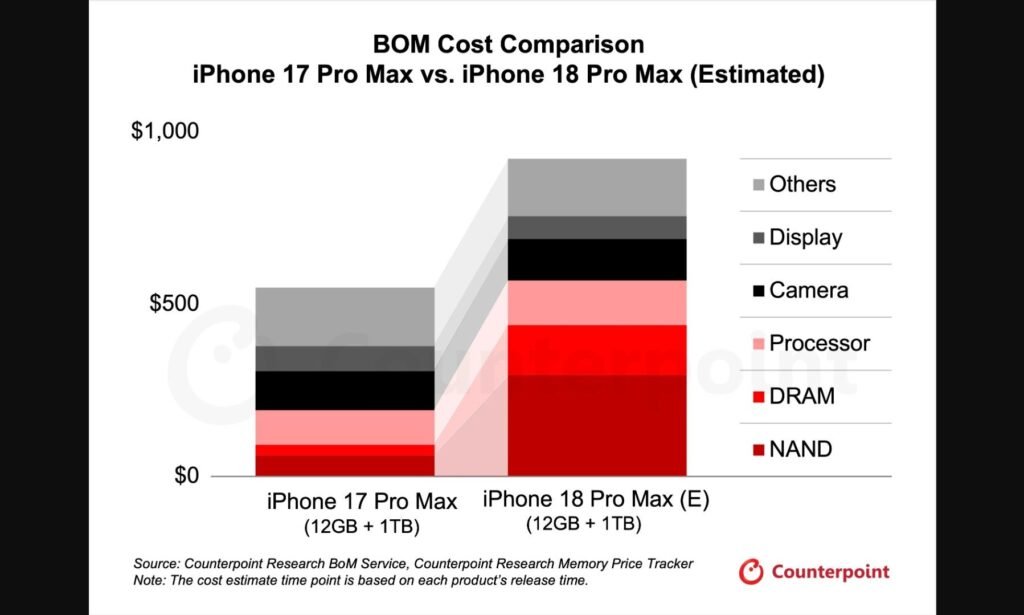
Apple’s suppliers, including CXMT, are playing a crucial role in the RAM crisis. CXMT, in particular, has been unwilling to compromise on prices, quoting figures comparable to or even higher than Samsung and SK Hynix. This has left Apple with limited options, as it cannot use one supplier to pressure another when all of them are already struggling to meet demand.
Moreover, Apple has reportedly asked the US government to let it source DRAM from CXMT and NAND storage from YMTC for products sold outside the country. However, this may not necessarily lead to lower prices, as CXMT has already shown that it does not intend to become Apple’s bargain supplier. Instead, Apple may have to absorb the increased costs or pass them on to consumers.
Ultimately, the RAM crisis prices are a complex issue, involving a range of factors, including demand, supply, and competition. While companies like CXMT are playing a crucial role in the memory industry, they are also contributing to the high prices of memory. As a result, consumers are facing higher costs for memory upgrades and new devices, and companies are struggling to secure affordable supplies.
Meanwhile, the AI industry is driving up demand for memory, leading to higher prices and limited supply. Consequently, the RAM crisis prices are not just a problem for the tech industry; they are also affecting the broader economy. Therefore, it is essential to address the root causes of the RAM crisis prices and find solutions to ensure a stable and affordable supply of memory for all.