Anker Says You’re Measuring Portable Power Stations the Wrong Way
Understanding Portable Power Station Efficiency
When shopping for a portable power station, you likely consider the battery capacity as a key factor. However, the actual efficiency of the power station is just as important. Portable power station efficiency can significantly impact how long your devices stay powered. For example, a 2 kWh battery may not provide a full 2 kWh of usable power due to energy losses during conversion.
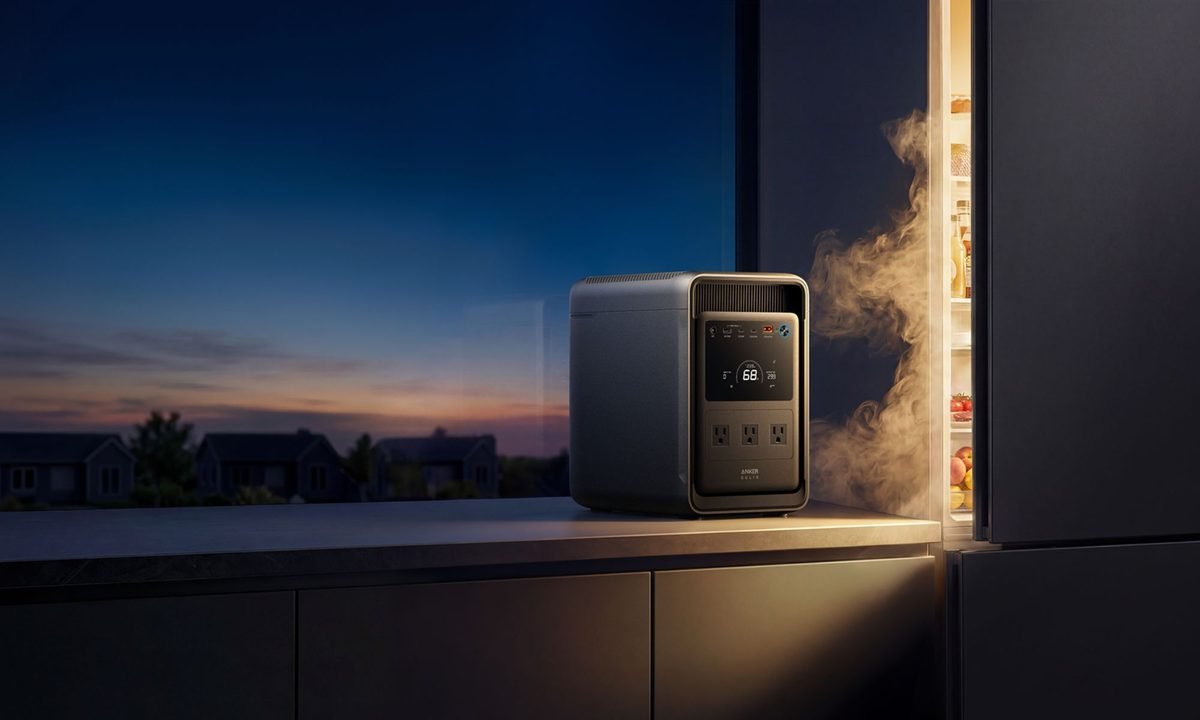
Additionally, the way you use your portable power station can affect its efficiency. If you’re powering devices that draw a fraction of the power station’s capacity, the efficiency can drop. Anker’s OptiSave 2.0 technology is designed to address this issue by adjusting the power station’s operation based on the connected devices. This technology can help reduce energy losses and provide a more efficient power supply.
Moreover, Anker’s S Series portable power stations have achieved high efficiency ratings, with 88% discharge efficiency at a 100W load and 96% at 400W. This is significantly higher than comparable portable power stations, which typically fall below 80% at 100W and hover around 89% at 400W. The OptiSave 2.0 technology has also cut idle power consumption by as much as 50% compared to other products.
Comparing Portable Power Stations
When comparing portable power stations, it’s essential to look beyond the battery capacity. You should also consider the efficiency of the power station, as it can significantly impact the actual runtime. Anker’s S2000, for instance, has received TÜV SÜD’s A+ energy-efficiency certification, which lends credibility to its efficiency claims. By considering portable power station efficiency, you can make a more informed decision when choosing a power station for your needs.
Furthermore, the way manufacturers advertise their products can be misleading. They often provide efficiency figures measured under heavy loads, which may not reflect real-world usage scenarios. As a result, it’s crucial to look for products that provide efficiency data across different loads, giving you a more accurate picture of their performance. By doing so, you can ensure that you’re getting the most out of your portable power station.
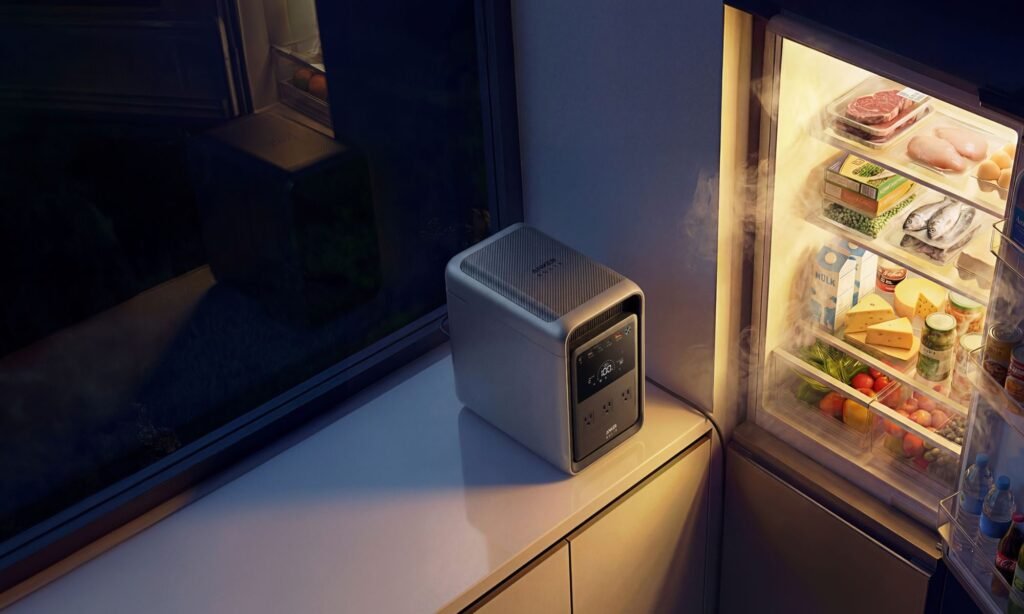
In addition, the energy consumption of your devices can also impact the overall efficiency of the power station. Devices like Wi-Fi routers, refrigerators, and CPAP machines have different power requirements, and the power station’s efficiency can vary depending on the devices connected. Therefore, it’s essential to consider the specific devices you’ll be powering when choosing a portable power station.
Optimizing Portable Power Station Performance
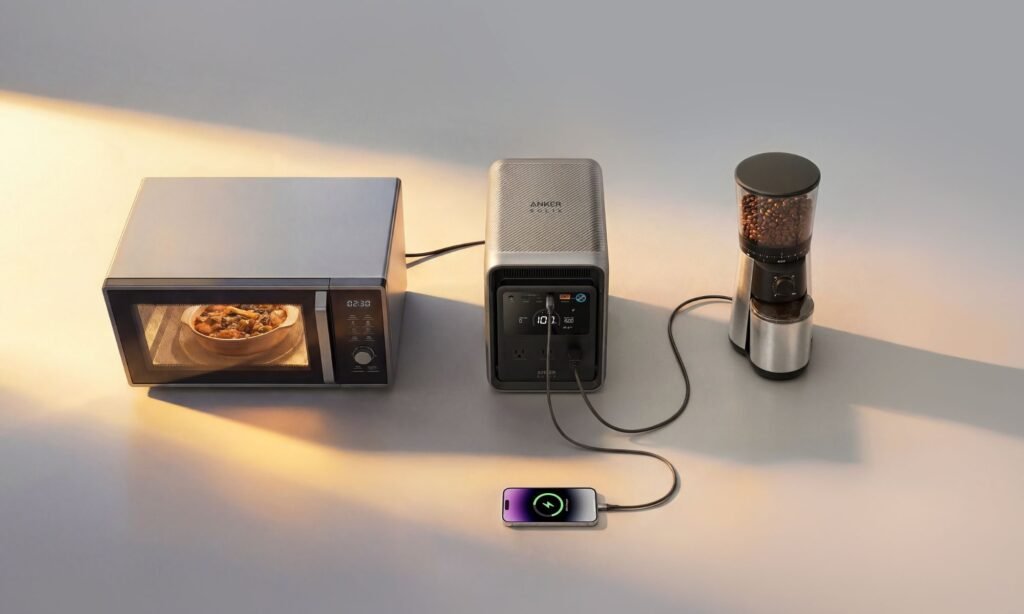
To optimize the performance of your portable power station, you should consider the battery capacity and efficiency. Anker’s OptiSave 2.0 technology is a significant step forward in this regard, as it can adjust the power station’s operation to match the connected devices. By reducing energy losses and idle power consumption, this technology can provide a more efficient power supply and extend the runtime of your devices.
Moreover, the Anker OptiSave 2.0 technology has been designed to work seamlessly with a wide range of devices. Whether you’re powering a small router or a larger appliance like a refrigerator, the technology can adjust to provide the optimal amount of power. This flexibility makes it an attractive option for those looking for a reliable and efficient portable power station.
Ultimately, when shopping for a portable power station, it’s crucial to consider the portable power station efficiency and how it will impact your devices’ runtime. By looking beyond the battery capacity and considering the efficiency of the power station, you can make a more informed decision and ensure that you’re getting the most out of your investment.
Frequently Asked Questions
What is Anker’s OptiSave 2.0 technology?
Anker’s OptiSave 2.0 is an energy management system designed to improve the efficiency of portable power stations. It automatically adjusts power delivery based on the connected device, helping reduce energy loss and extend battery runtime.
Why doesn’t a portable power station deliver its full battery capacity?
A portable power station loses some energy during voltage conversion and power management. As a result, the usable output is usually lower than the battery’s advertised capacity. The actual runtime depends on the efficiency of the inverter and the connected devices.
Does battery capacity matter more than efficiency?
Not always. A larger battery stores more energy, but poor efficiency can reduce the amount of usable power. A highly efficient power station may deliver longer real-world runtime than a larger battery with greater energy losses.
What makes the Anker S Series different from other portable power stations?
According to Anker, the S Series uses OptiSave 2.0 technology to improve discharge efficiency and reduce idle power consumption. The company also says the S2000 has received TÜV SÜD’s A+ energy-efficiency certification, giving buyers additional confidence in its performance claims.
Which devices benefit most from a high-efficiency portable power station?
Devices that run continuously for long periods—such as Wi-Fi routers, CPAP machines, mini refrigerators, laptops, and networking equipment—benefit the most. Higher efficiency means more usable energy and longer operating times between charges.
Should efficiency influence your buying decision?
Yes. Battery capacity remains important, but efficiency plays a major role in determining how much of that stored energy actually reaches your devices. Comparing both specifications provides a more accurate picture of real-world performance.